How to Choose Siding That’s Safe for Your Family
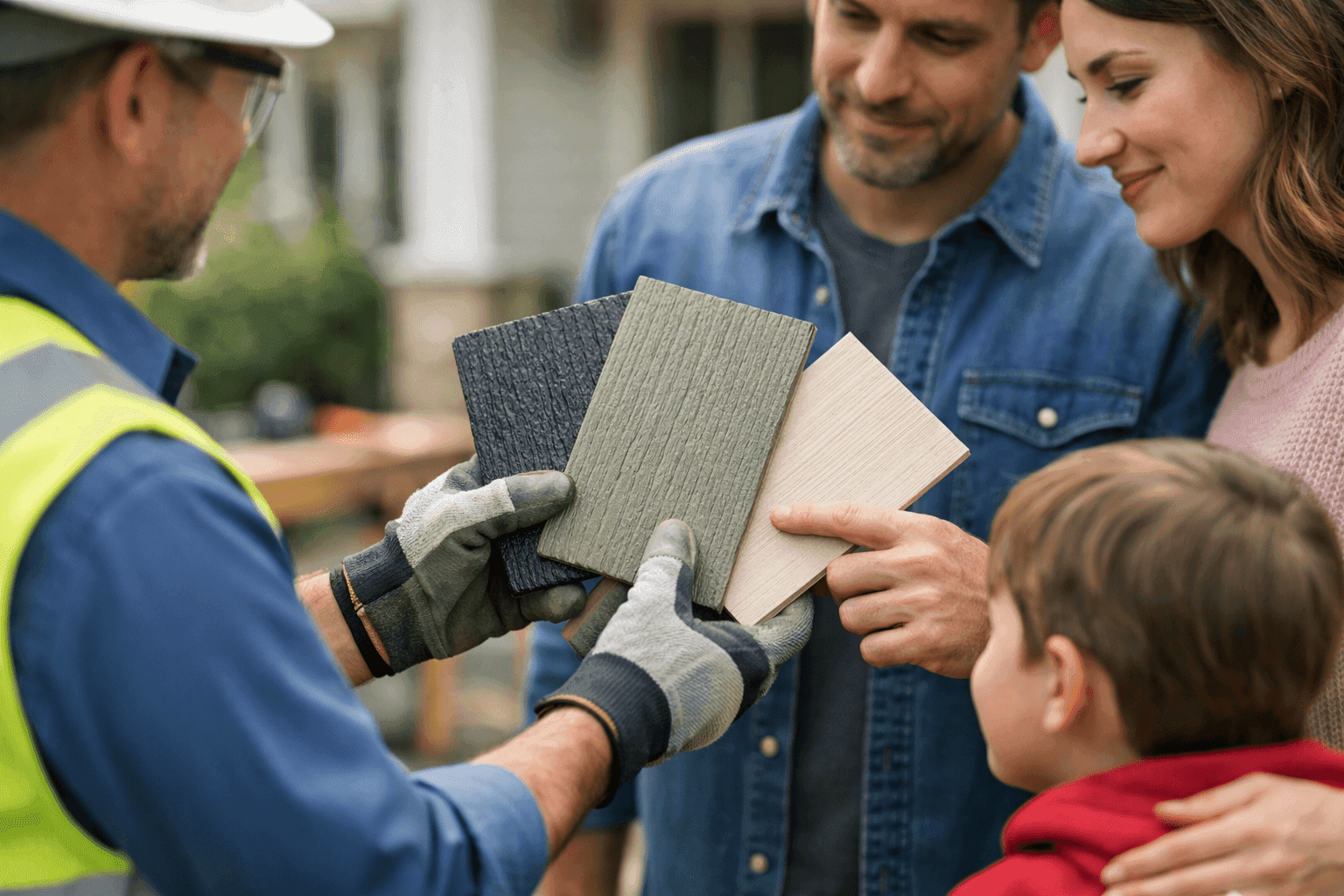
Is the siding on your home keeping your family safe, or is it quietly putting them at risk? For many homeowners, the answer isn’t obvious. Siding isn’t just about curb appeal or weather protection—it’s a shield for your family’s health and safety. At Schaefer Exteriors, we know that peace of mind starts with what’s on your walls.
Choosing safe siding isn’t a simple paint swatch or catalog decision. Hidden dangers can lurk in outdated materials or low-quality products. Let’s walk through what truly matters when it comes to siding and your family’s well-being.
Why Siding Safety Deserves a Closer Look
Think of siding as your home’s coat—protecting, insulating, and breathing. But would you wrap your family in something flammable, toxic, or irritating? Unfortunately, some sidings do just that.
Siding can release dangerous chemicals, harbor allergens, or fail when faced with fire. Building codes exist for a reason, but not all materials are created equal. Your choices today shape your family’s tomorrow.
Safety Standards Every Family Should Know
When you’re comparing siding, look for more than color and texture. Safety standards are your first defense. In the U.S., siding materials are measured by:
- Fire resistance ratings: Materials are rated by ASTM E84 and other fire tests. Class A is best; it means slow to ignite and slow to spread flames.
- VOC content: Materials with low or zero Volatile Organic Compounds (VOCs) reduce indoor air pollution and allergy risks.
- Certifications: Look for products certified by GREENGUARD, Green Seal, or certified as meeting EPA guidelines for air quality.
Don’t hesitate to ask your contractor about these safety marks. The right question could make all the difference.
Fire-Resistant Siding: Your Family’s First Line of Defense 🔥
Wildfires, lightning, or a stray grill flame—fire risk is real. Not all siding stands up to the heat. Here’s how common materials compare:
- Fiber Cement: Tops the list for fire resistance. Made from sand, cement, and cellulose fiber, it won’t ignite, and is often rated Class A.
- Stucco: Another strong performer. Applied in thick layers, stucco provides a natural fire barrier.
- Brick and Stone Veneer: Inherently non-combustible, though installation details matter.
- Metal Siding: Steel and aluminum are naturally fireproof, though proper underlayment is key.
- Vinyl and Wood: Vinyl can melt and release fumes; wood is beautiful but flammable unless specially treated.
Always check manufacturer specs and local building codes for fire zone requirements.
Non-Toxic and Low-VOC Siding: Breathing Easy at Home
Some siding materials “off-gas” chemicals that can irritate sensitive lungs. Families with children, seniors, or anyone with asthma need to watch for:
- Fiber Cement: Contains no added formaldehyde. Most brands are naturally low in VOCs.
- Stucco: Natural ingredients, low emissions.
- Engineered Wood: Some brands use low-VOC resins, but always verify. Look for CARB-compliant labels.
- Vinyl: Older vinyl products can emit VOCs; newer, high-quality brands are improved, but always check documentation.
- Natural Wood: Generally safe if untreated, but certain stains and paints can emit fumes.
Ask about installation adhesives and caulks, too—they matter just as much as the siding itself.
Siding Certifications That Matter
Many siding products carry labels, but only a few truly signal health and safety:
- GREENGUARD Gold: Indicates low chemical emissions, safer for sensitive populations.
- Green Seal: Focuses on environmental health and non-toxicity.
- EPA Indoor airPLUS: For homes meeting strict indoor air quality standards.
Look for these logos on product literature. They’re like a nutrition label for your home’s skin.
Best Siding Options for Allergies and Sensitivities
If you or your loved ones are sensitive, certain siding types stand out:
- Fiber Cement Siding: Inert, resists mold, and doesn’t harbor dust mites.
- Stucco: Naturally hypoallergenic with proper finish.
- Metal Siding: Won’t support mildew or dust accumulation.
- Unfinished Natural Wood: If untreated and maintained, it’s generally safe, but beware of pollen and outdoor allergens in rough textures.
A smooth, sealed surface is easier to clean—an important detail if allergens are a concern.
Quick Safety Checklist for Siding Choices
Before you sign off on your next siding project, run through this list:
- Is the siding Class A fire-rated?
- Does it have low or zero VOC content?
- Are adhesives and caulks also non-toxic?
- Are there third-party safety certifications?
- Will it resist mold, mildew, and pests?
- Is it easy to clean and maintain?
If you answer “yes” to most or all, you’re on the right track.
Common Siding Mistakes That Can Put Families at Risk
Even the best material fails if installed poorly. Watch out for:
- Gaps or cracks where moisture and pests sneak in.
- Inadequate flashing, leading to hidden leaks and mold.
- Wrong fasteners that corrode or react with siding over time.
- Unsealed joints that let allergens or pollutants seep indoors.
Professional installation counts—especially when safety is on the line.
When to Call an Expert vs. DIY
Siding is not a weekend project for most homeowners, especially if health and safety are priorities. A certified pro can:
- Recommend the safest material for your home’s climate and your family’s needs.
- Ensure every detail—ventilation, caulking, flashing—is done to code.
- Spot hidden risks during inspection, from lead paint to asbestos (in older homes).
DIY repairs might seem tempting, but the risks often outweigh the savings.
What Happens During a Professional Siding Consultation?
At Schaefer Exteriors, a siding consultation isn’t just about looks. Here’s what you can expect:
- A review of your home’s current siding and any potential hazards.
- Discussion of your family’s sensitivities or concerns.
- Recommendations for fire-resistant, low-VOC, or allergy-friendly materials.
- Guidance on certifications and maintenance plans.
- Honest answers—no jargon, no pressure.
If you’re searching for a Siding Material Consultation near you, this step can bring real peace of mind.
The True Costs and Benefits of Safe Siding
Safe siding may cost more upfront, but the long-term payoffs are huge:
- Better air quality indoors.
- Lower risk of fire damage.
- Fewer allergy triggers and mold problems.
- Lower insurance premiums in some cases.
It’s an investment in your family’s comfort and security.
Siding Safety and Seasonal Concerns
Climate matters. In humid regions, moisture-resistant siding is critical. In wildfire-prone zones, fire resistance is non-negotiable. Ask your siding contractor about local hazards and best solutions.
Seasonal maintenance—cleaning, sealing, checking for gaps—keeps your siding safe all year round.
Signs Your Siding Might Be Unsafe
How do you know if your current siding is putting your family at risk? Look for:
- Warping, bubbling, or melting panels.
- Persistent musty smell indoors (could signal hidden mold).
- Flaking paint or chalky residue.
- Frequent allergy flare-ups at home.
- Cracks, gaps, or visible pest activity.
If you spot these, consider a professional siding inspection soon.
Maintenance: Prevention Is Always Safer
Routine cleaning with mild soap and water keeps most siding safe and allergen-free. Inspect caulking, flashing, and ventilation regularly—especially after storms. At the first sign of trouble, act quickly. A small repair now can prevent bigger health and safety risks later.
Real-World References and Codes
For families who want to dig deeper, check out:
- International Building Code (IBC) Section 1405: Siding material requirements.
- ASTM E84: Standard fire testing for building materials.
- EPA guidelines on indoor air quality and low-VOC products.
- Green Building Standards for material safety.
These aren’t just paperwork—they’re the backbone of safer homes.
Your Next Step Toward a Safer Home
Safe siding is more than a color or style. It’s a commitment to your family’s health, comfort, and security. If you’re ready to explore fire-resistant, non-toxic, or allergy-friendly options, Schaefer Exteriors can help you navigate the choices with confidence.
For more on Eco-Friendly Siding Options, or to schedule a Siding Material Consultation, our team is here when you need us.
Call Schaefer Exteriors now — or reach us anytime at 877-331-5875 .