How to Avoid Common Siding Installation Mistakes
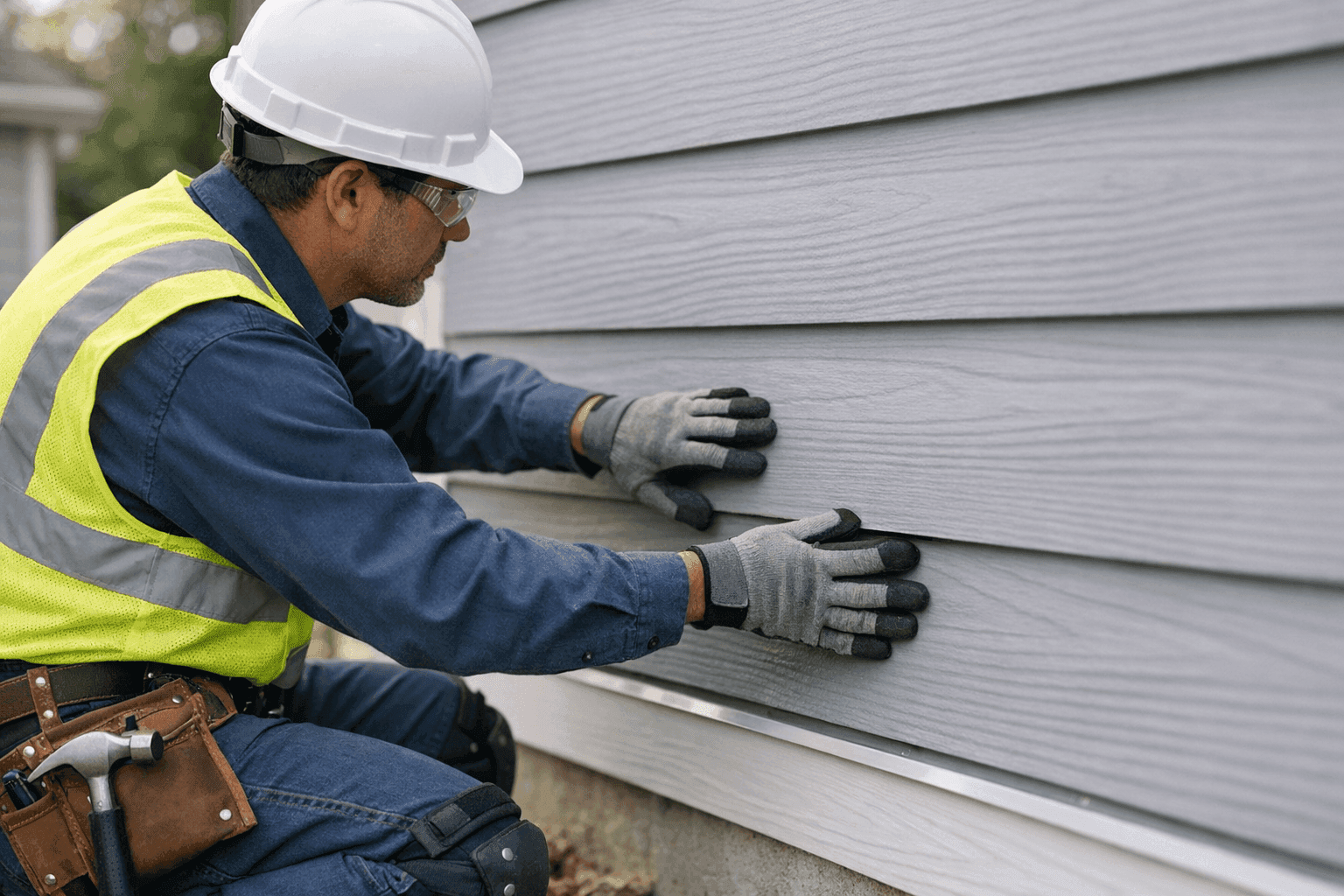
Are you eyeing your home’s siding and worrying about waves, cracks, or leaks? You’re not alone. Siding is your home’s armor, but poor installation can turn that armor into a sponge.
At Schaefer Exteriors, we see the results of common mistakes every week. Some are easy to fix; others cost homeowners thousands. Let’s break down the pitfalls and show you how to spot trouble before it starts.
Why Proper Siding Installation Matters
Think of siding as your home’s raincoat. If it’s buttoned wrong or full of holes, water gets in. That’s when mold, rot, and regret move in. Good installation means fewer headaches and lower bills down the line.
The Most Common Siding Installation Mistakes
Installing siding isn’t just “slap and nail.” Here are five errors we see most:
- Skipping prep: Not cleaning or leveling the walls first.
- Incorrect fasteners: Using nails or screws that are too short, long, or the wrong type.
- Bad timing: Working in wet, cold, or super-hot weather.
- Improper gaps: Not leaving space for siding to expand and contract.
- Neglecting flashing: Forgetting to seal around windows, doors, and edges.
Each mistake can lead to leaks, buckling, or even voided warranties.
The Risks: What Can Go Wrong?
Just one skipped step can haunt you. Here’s what can happen:
- Leaks: Water sneaks behind panels, damaging insulation and framing.
- Buckling: Siding that’s too tight might warp on the first hot day.
- Drafts and Rot: Poor weatherproofing means higher bills and hidden rot.
- Warranty Issues: Manufacturers may refuse to help if siding wasn’t installed per code.
Refer to your local building code (like the International Residential Code) for specifics. These aren’t just “nice to haves”—they’re musts.
Quick Safety Checklist Before You Start 🛠️
- Inspect walls for rot, mold, or old nails.
- Confirm all surfaces are dry and flat.
- Check that you have the right fasteners and trim pieces.
- Never install siding in the rain or on frosty mornings.
- Always use safety goggles and gloves.
Don’t cut corners on prep. It’s the foundation for everything.
Siding Preparation: Where Many Get It Wrong
Imagine painting over dirty walls. Siding works the same way. Dust, moisture, or uneven spots can make new siding fail before it even starts.
- Remove old nails, flaking paint, and debris.
- Check for hidden damage or soft spots in the sheathing.
- Repair any issues before you hang a single panel.
Nailing and Fastener Mistakes
Nails should go into studs—not just sheathing. Use corrosion-resistant fasteners, especially for fiber cement siding. Fasten straight, not angled, and don’t drive nails too tight. Siding needs a little wiggle room, like a zipper that isn’t pulled too tight.
Weather: Timing Is Everything
Siding hates extremes. Too hot? Panels expand and buckle. Too cold? They shrink and crack. Moisture during installation can trap water behind your new armor.
Industry pros recommend installing most siding types between 50–85°F. Always check the manufacturer’s guidelines for temperature and humidity windows.
Proper Gaps and Spacing
Siding isn’t a puzzle you cram together. Each piece needs room to breathe. Vinyl and fiber cement expand and contract with temperature swings. Leave the recommended gap at seams and ends—usually 1/8 inch for fiber cement, per James Hardie’s installation instructions.
Miss this step, and you’ll see warping or cracking, often after just one season.
Flashing: The Unsung Hero
Metal or waterproof flashing keeps water out of vulnerable spots: windows, doors, corners, and rooflines. Improper or missing flashing is like forgetting an umbrella in a thunderstorm.
Follow the International Residential Code for flashing standards. Always overlap seams and check for gaps.
Inspections and Siding Color Consultation Near You
Before you finish, walk the property. Look for:
- Even lines and flat panels.
- Consistent gaps at seams.
- Secure trim and flashing.
- No exposed nails or loose ends.
If you’re planning a new look, a Siding Color Consultation can help you choose paint or panels that last and look great.
Maintenance: Prevention Is Cheaper Than Repair
Once installed, keep your siding clean and inspect it each season. Remove debris, check caulking, and keep gutters clear. A little attention goes a long way toward preventing big repairs.
DIY vs. Call a Siding Pro
Handy with tools? You might tackle smaller repairs. But full installations, especially for fiber cement or vinyl siding, require skills and specialty equipment.
Pros are trained in building codes, safety, and warranty requirements. When in doubt, it’s safer (and often cheaper) to get professional help.
What Schaefer Exteriors Brings to the Job
Our installers follow manufacturer specs to the letter, whether it’s Fiber Cement Siding Installation, Vinyl Siding Installation, or New Construction Siding. Our team is certified and stays current with both OSHA safety rules and all major siding brand guidelines.
Timeline and Disruption: What to Expect
A typical siding job takes 1–2 weeks, depending on weather and home size. Expect some noise and dust, but experienced crews keep disruption to a minimum by working efficiently and cleaning up daily.
Siding Materials: Choose Wisely
Not all siding is created equal. Fiber cement resists fire and bugs. Vinyl is affordable and low-maintenance. Wood looks classic but needs more care. Consider your climate, budget, and style.
A siding company can walk you through options that fit your needs and help you avoid costly mistakes.
Costs and Long-Term Value
Cutting corners on installation saves money now but costs more later. Proper prep and installation stretch your siding’s lifespan, protect your home, and keep warranties valid.
When Siding Problems Are an Emergency
Blown-off panels, major leaks, or visible mold? Don’t wait. Emergency siding services can prevent further damage and higher repair bills.
Frequently Asked Siding Questions
How do I know if siding was installed wrong?
Look for ripples, gaps, or nails popping out. Peeling paint and water stains inside your home are also red flags.
Can I install siding myself?
Small repairs, maybe. Full replacements, especially for fiber cement or new construction, are best left to professionals.
How often should I check my siding?
Twice a year, plus after any major storm.
Ready for Siding That Lasts?
Don’t leave your home’s exterior to chance. Get it done right, the first time.
Call Schaefer Exteriors now — or reach us anytime at 877-331-5875 .