How Siding Trim Shapes Your Home’s Look
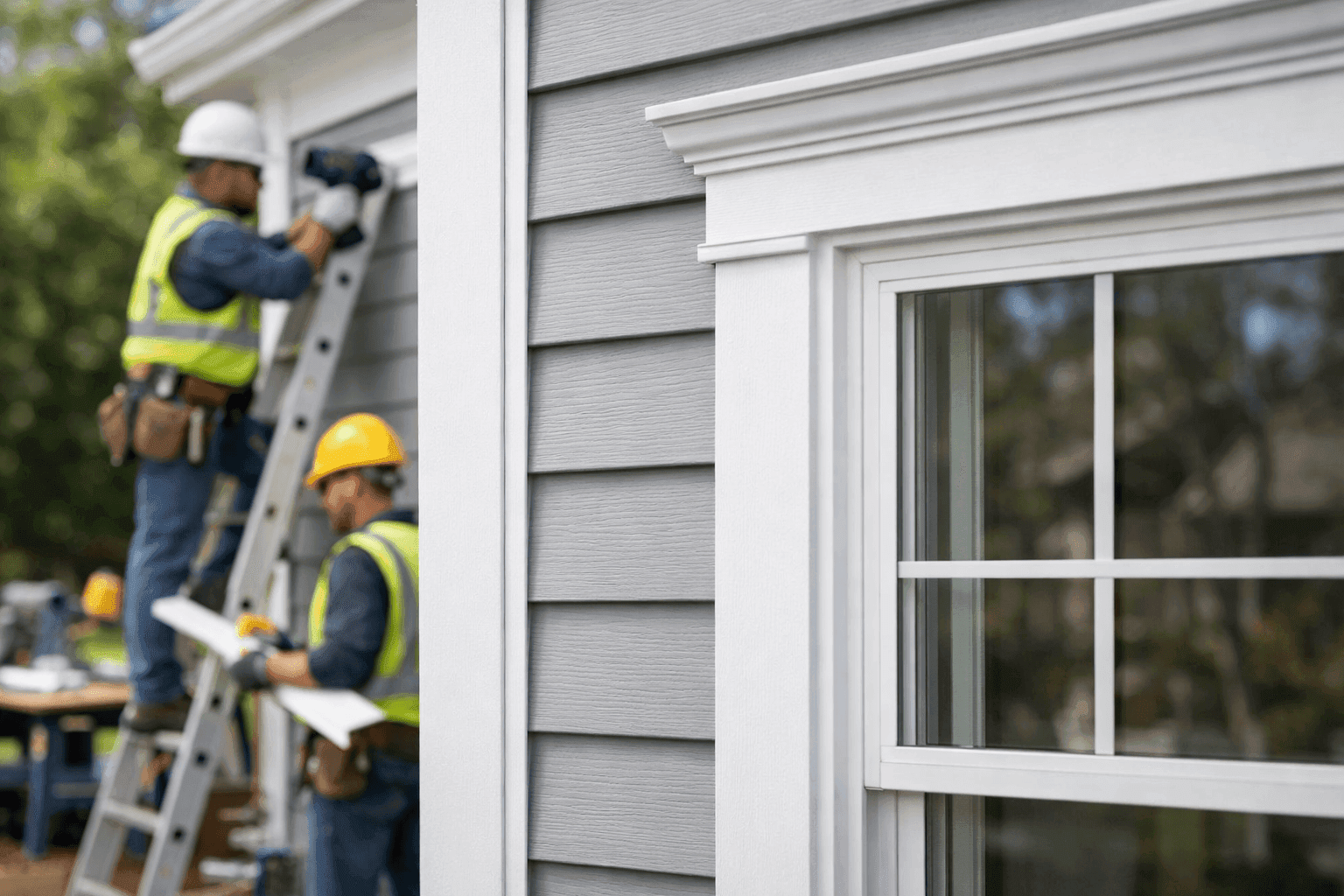
When you picture the perfect home exterior, you probably see fresh siding, neat lines, and colors that make your house stand out. But there’s a secret ingredient that pulls it all together: trim and molding. Think of it as the frame for your favorite painting—without it, the picture feels incomplete.
At Schaefer Exteriors, we know siding isn’t just about the panels themselves. The trim does heavy lifting—keeping water at bay, hiding seams, and giving your home that finished, tailored look. Let’s break down why trim matters, how it shapes style, and what you need to know when planning your own siding project.
The Unsung Hero: Why Siding Trim Matters
Trim may seem like a small detail, but it does a big job. It’s the border that outlines your windows, doors, and rooflines, tying everything together like the crisp edge on a well-made suit. Without trim, siding can look bare or unfinished. More importantly, trim helps shield your home from rain, wind, and pests. It bridges the gap where siding meets other surfaces, locking out moisture and drafts.
Trim’s Functional Side: More Than Just Looks
While trim is the finishing touch visually, it’s also a first line of defense. Quality trim and molding:
- Channel rainwater away from siding joints
- Prevent leaks at corners, eaves, and around windows
- Conceal gaps or rough edges where panels meet
- Block insects and critters from sneaking in
- Offer support for gutters and soffits
Proper installation follows building codes and manufacturer specs, reducing the risk of water damage and rot. The International Residential Code (IRC) outlines the importance of weather-resistant barriers and flashing—your trim is a key part of that system.
The Style Factor: Trim Sets the Tone
Trim is where you can get creative. It’s more than just a border—it’s a design statement.
Classic and Timeless
Simple, white trim never goes out of style. It’s crisp, clean, and highlights architectural details. If you love traditional homes—think Colonial or Craftsman—this might be your go-to.
Modern and Sleek
For a contemporary look, try trim that matches your siding color. This creates seamless lines, letting the shape of your home take center stage. Minimalist trim can make even a simple home feel modern.
Bold Contrasts
Want to turn heads? Try deep black or charcoal trim against light siding, or vice versa. Contrasting colors add drama and emphasize features like windows or gables.
Custom Touches
Arched windows, decorative brackets, or layered moldings can add personality. Custom trim solutions let your home’s exterior reflect your taste.
Choosing Trim Material: What Works Best?
Different materials offer different strengths, and the right choice depends on your budget, climate, and siding type.
- Wood Trim: Warm and classic, but needs regular painting and maintenance to prevent rot.
- Fiber Cement Trim: Durable, fire-resistant, and pairs perfectly with fiber cement siding. It stands up well in harsh weather.
- Vinyl Trim: Low-maintenance and affordable, popular for vinyl siding projects.
- Metal Trim: Sleek, sturdy, and great for modern or commercial applications.
- Engineered Wood: Offers the look of real wood with better resistance to moisture and insects.
At Schaefer Exteriors, we help you weigh the pros and cons for your specific project during our Trim and Molding Installation.
Coordinating Trim and Siding Colors
Choosing the right color combo can feel overwhelming. Here’s how to make it easier:
- Look at the neighborhood: Stand out, but don’t clash.
- Sample first: Paint a test area or use color visualizer tools.
- Highlight features: Use trim to draw attention to doors, windows, or unique architecture.
- Follow the rule of three: Main siding color, trim color, and an accent (like your front door).
If in doubt, request a Trim and Molding Installation. Our team can guide you through palettes that flatter your home and add lasting value.
Trim and Water Protection: Guarding Your Home
Trim isn’t just for show. Installed properly, it directs water away from vulnerable seams. Flashing, caulking, and backer rod are often used together with trim to create a tight seal.
- Flashing: Thin metal or vinyl strips under trim that channel water away.
- Caulking: Fills gaps and keeps out drafts and water.
- Backer rod: Foam rods that support caulking in larger gaps.
Neglect these steps, and you risk leaks, mold, and wood rot—problems that get expensive fast. The best defense? Professional installation by a team that knows the codes and the climate.
Common Mistakes With Siding Trim (And How to Avoid Them)
Trim mistakes can haunt you for years. Here’s what to watch for:
- Using the wrong materials for your climate
- Skipping flashing or waterproofing layers
- Overlooking expansion gaps (especially with wood or composite)
- Bad caulking—too little, too much, or the wrong type
- Installing trim too tight or too loose
Avoid headaches by hiring skilled installers and requesting a siding inspection if you suspect trouble.
Signs Your Siding Trim Needs Attention
Trim trouble often shows up before bigger siding problems. Watch for:
- Peeling paint or finish
- Soft, spongy, or warped boards
- Gaps appearing at corners or joints
- Water stains or mold at the trim line
- Insect activity around seams
Spot these signs early? You might just need targeted Siding Trim Repair, saving you money and hassle.
DIY or Call a Pro? What You Need to Know
Installing trim might sound simple, but precision matters. Every cut, corner, and nail affects both looks and durability. Here’s what pros bring to the table:
- Exact measurements and mitered corners
- Proper flashing and caulking
- Fasteners chosen for your siding and climate
- Knowledge of code requirements
- Clean work that protects your landscaping
If you’re handy, you might tackle painting or touch-ups. But for installation and repairs, professional help is worth every penny—especially when weatherproofing is at stake.
Siding Trim and Seasonal Care 🍂
Trim fights the elements all year round. Seasonal maintenance goes a long way:
- In spring, wash trim and siding to spot damage.
- Summer is a good time to repaint or reseal.
- Before fall and winter, check for cracked caulk or loose boards.
- Clear gutters and downspouts to prevent water backing up under trim.
Regular upkeep protects your home and preserves curb appeal.
Timeline and What to Expect During Trim Installation
Wondering how long trim work takes? Most trim and molding installations are finished within a few days, depending on your home size and material choice.
- First, old trim and caulk are removed.
- Surfaces are cleaned and prepped.
- Flashing and weather barriers are checked or installed.
- New trim is measured, cut, and fixed in place.
- Seams are sealed, and everything is painted or finished.
There may be some noise and dust, but a professional crew keeps disruption to a minimum. We recommend moving outdoor furniture and trimming landscaping near work areas.
Costs and Value: Is Trim Worth It?
Trim is a smart investment. It boosts curb appeal—often increasing a home’s value—and extends the life of your siding by keeping water out. Costs depend on material, home size, and detail level, but quality trim pays off over time in lower repairs and better looks.
Trim and Building Codes: Doing It Right
Building codes matter, especially for weather protection. The International Residential Code (IRC) and local guidelines specify flashing, ventilation, and attachment methods for siding and trim. Proper installation isn’t just about looks—it’s about safety, efficiency, and avoiding costly failures down the line.
When Trim Becomes an Emergency
A storm blows through. You notice dangling boards or water leaking inside. That’s when siding trim shifts from “nice to have” to urgent. Addressing loose or broken trim quickly prevents bigger headaches—like water damage or energy loss. In urgent cases, call for emergency siding services right away.
Frequently Asked Questions About Siding Trim
Q: Do I need to replace trim when I replace siding?
A: Often yes, especially if the trim is old or damaged. New trim ensures a tight, lasting fit and looks best with new siding.
Q: How often should trim be painted or sealed?
A: Wood trim needs fresh paint or sealant every 3–5 years; other materials can go longer but should be checked yearly.
Q: Can I mix materials or colors on my home?
A: Absolutely! Many homes use more than one trim material or color for a layered, custom look.
See the Difference: How Trim Completes a Siding Project
Trim and molding are the final brushstrokes on your home’s canvas. They bring out the best in your siding, add definition, and provide essential protection where it matters. Whether you want classic charm, modern minimalism, or bold color contrasts, trim gives you the power to shape your home’s personality.
If you’re planning new siding, a remodel, or just need Siding Trim Repair, Schaefer Exteriors is here to help with honest advice and skilled installation.
Call Schaefer Exteriors now — or reach us anytime at 877-331-5875 .