How Often Should You Replace Your Siding?
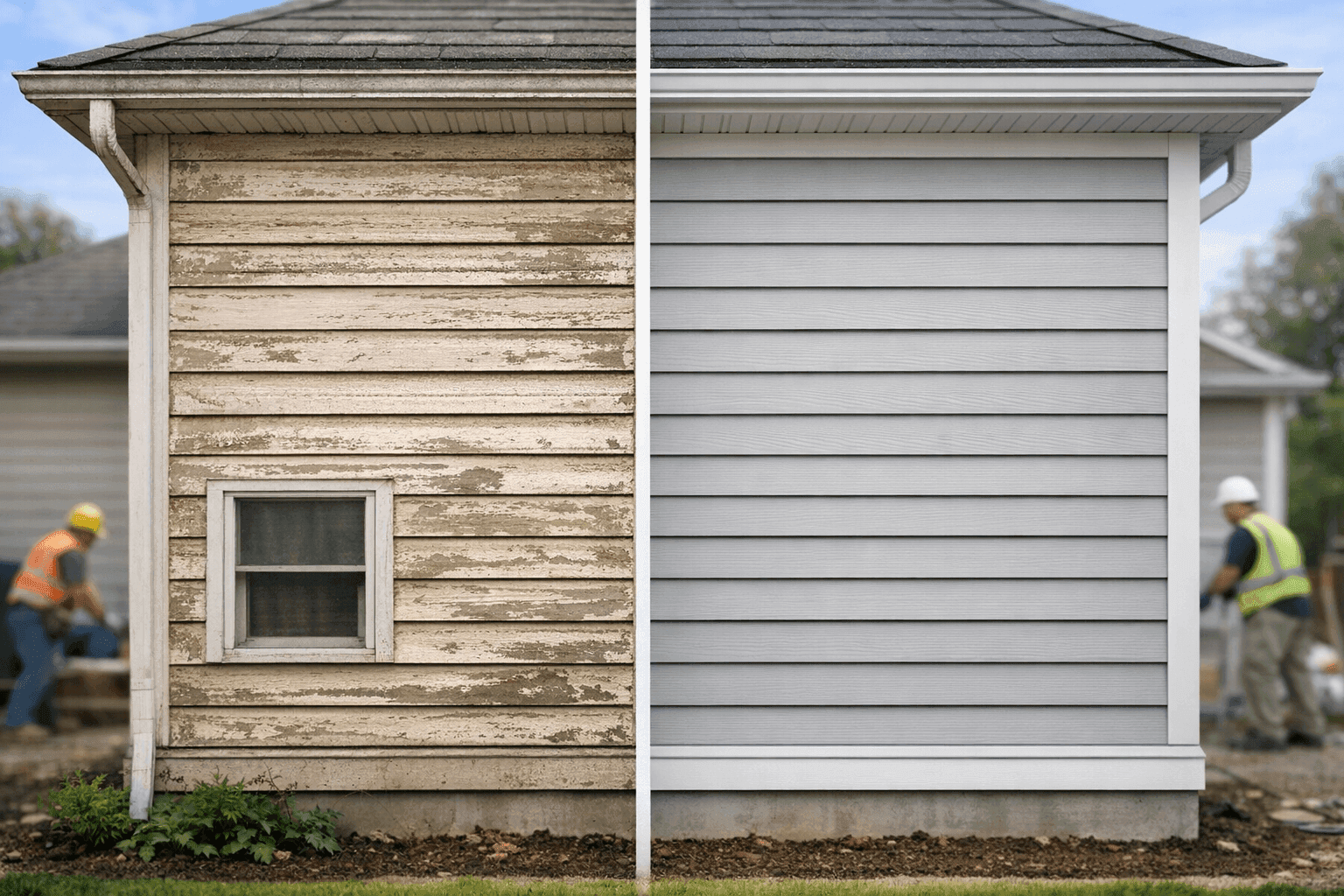
Is your home’s siding looking tired, faded, or even a little warped? Maybe you’ve wondered if it’s just “old” or if it’s actually time for a change. Siding isn’t just a pretty face for your house—it’s the armor that keeps weather, pests, and cold air at bay.
At Schaefer Exteriors, we know siding inside and out. Let’s break down how long siding lasts, what shortens its lifespan, and how to spot when replacement is the smart move.
Lifespans: How Long Does Siding Really Last?
Every type of siding has its own clock. Some tick along for decades; others call it quits early if they’re not cared for. Here’s what you can expect:
Vinyl Siding
- Average lifespan: 20–30 years
- Best for: Homeowners who want an easy-care, affordable option.
- Watch for: Fading, cracking, or warping, especially in lots of sun.
Wood Siding
- Average lifespan: 15–40 years, depending on wood type and maintenance.
- Best for: Classic looks and charm.
- Watch for: Rot, termites, blistering paint, or splitting.
Fiber Cement Siding
- Average lifespan: 30–50 years
- Best for: Durability, fire resistance, and a range of finishes.
- Watch for: Chipping, moisture damage at seams, or crumbling edges.
Metal Siding
- Average lifespan: 40–70 years
- Best for: Modern style and serious longevity.
- Watch for: Rust, dents, or loose panels in high-wind areas.
Stucco Siding
- Average lifespan: 50–80 years
- Best for: Dry climates and unique texture.
- Watch for: Cracks, bulges, or water stains.
These numbers aren’t set in stone. Local weather, sun, and care make a difference.
What Makes Siding Wear Out Faster? 🌧️
Think of siding like your favorite boots. The better you treat them—and the less harsh weather they face—the longer they last.
- Climate: Wet, windy, or extremely hot/cold areas speed up aging. Humid climates promote rot and mold.
- Sun Exposure: UV rays fade color and weaken panels.
- Maintenance: Regular cleaning, painting, and quick repairs stretch lifespan.
- Installation Quality: Even the best siding fails early if put on wrong. Poor flashing, gaps, or bad caulking invite trouble.
- Storm Damage: Hail, high winds, and flying debris can turn a small issue into a big one overnight.
Warning Signs: Is Your Siding Past Its Prime?
Not sure what to look for? Here are the red flags:
- Cracks, holes, or splits
- Warping or buckling boards
- Soft or rotten wood
- Bubbling or blistering paint
- Loose or missing panels
- Faded color that won’t clean up
- Mold, mildew, or fungus growth
- Unexplained spikes in heating/cooling bills
If you spot any of these, it’s time for a closer look—maybe with a professional eye.
Quick Siding Safety Checklist
Before you grab a ladder or call a pro, run through this checklist:
- Check for visible gaps or holes.
- Tap wood siding—soft spots mean rot.
- Look inside for leaks or peeling paint near exterior walls.
- Stand back and look for uneven lines or sagging.
If you’re not sure, Siding Inspection is a safe next step.
DIY or Call in the Pros?
Some repairs—like a loose vinyl panel—are straightforward. But full replacement or major fixes (especially for wood, fiber cement, or metal) need special tools and know-how.
- DIY: Minor cleaning, caulking, or painting.
- Pro: Replacing large sections, fixing leaks, or addressing rot and insect damage.
Inspections from certified installers (like those at Schaefer Exteriors) catch hidden issues you might miss.
What Happens When a Pro Arrives?
You don’t need to guess. Here’s what happens during a professional siding replacement or inspection:
- Full walk-around: Checking all sides, corners, and tricky spots.
- Moisture tests: Using sensors to find hidden leaks.
- Material review: Are fasteners, caulk, and trim still sound?
- Ventilation check: Proper airflow means longer siding life.
- Report: Clear, honest findings—plus next steps.
We follow building codes and manufacturer guidelines—like those from the Vinyl Siding Institute and James Hardie—for every job.
Prevention and Maintenance: How to Make Your Siding Last Longer
A few simple habits help you get the most from your investment:
- Clean siding gently once a year with soap and water.
- Trim bushes and trees back from walls.
- Touch up caulk and paint if you spot cracks.
- Keep gutters clear to prevent water overflow.
- Schedule a professional inspection every few years.
Ask about “Siding Color Consultation near you” when you plan maintenance. A fresh color can do wonders!
Timeline and Disruption: What to Expect
Worried about mess or downtime? Most siding projects take 1–2 weeks for an average home, less for repairs. Weather can add delays—spring and fall are ideal.
During replacement, expect some noise and a bit of dust. We keep your property tidy and safe—following OSHA safety guidelines every step of the way.
Common Mistakes Homeowners Make
- Waiting too long—delays can mean hidden water damage.
- Patching over rot or mold instead of removing it.
- Using incorrect fasteners or caulk.
- Ignoring attic or wall ventilation.
Don’t let small issues snowball into big expenses.
When Siding Issues Become Emergencies 🚨
- Storms rip off panels or expose insulation.
- You find water leaking inside after rain.
- Large sections are loose or falling.
In these cases, act fast. Emergency siding services can prevent bigger repairs later.
Seasonal Considerations: Timing Your Siding Project
- Spring/Fall: Mild weather is best for installation.
- Summer: High heat can soften vinyl or speed up paint drying (sometimes too fast).
- Winter: Cold snaps make materials brittle, but emergencies can’t always wait.
Plan ahead if you can—but don’t ignore urgent repairs.
Siding Replacement Costs: What Factors In?
- Material type and quality
- House size and shape
- Old siding removal
- Trim, flashing, and insulation needs
- Labor and local codes
Ask for a detailed estimate. We walk you through options—no surprises.
FAQs: Siding Replacement & Inspection
How do I choose the right siding?
Consider climate, budget, and style. Our Siding Material Consultation helps narrow choices.
Can I replace just a section?
Sometimes. But color match and underlying issues matter.
What about warranties?
We review manufacturer and labor warranties at every step.
How often should I inspect my siding?
Every 2–3 years, or after major storms. Regular Siding Inspection keeps surprises away.
Why Installation Quality Is Everything
Siding is only as good as the hands that install it. Misaligned panels, skipped flashing, or bad caulking can cut years off your investment. Our crews are certified and follow every detail from the first nail to the last.
Ready for a Fresh Start? Here’s What to Do
Take a walk around your home this week. Are you seeing signs it’s time for a change? Don’t wait until damage spreads.
Schaefer Exteriors has helped families protect their homes for years. Whether you need a color update, professional inspection, or full siding replacement, we’ll help you make a choice that lasts.
If you’re searching for a trusted siding company, you can learn more about siding services in Elizabeth.
Call Schaefer Exteriors now — or reach us anytime at 877-331-5875 .