A Homeowner’s Guide to Soffits and Fascia
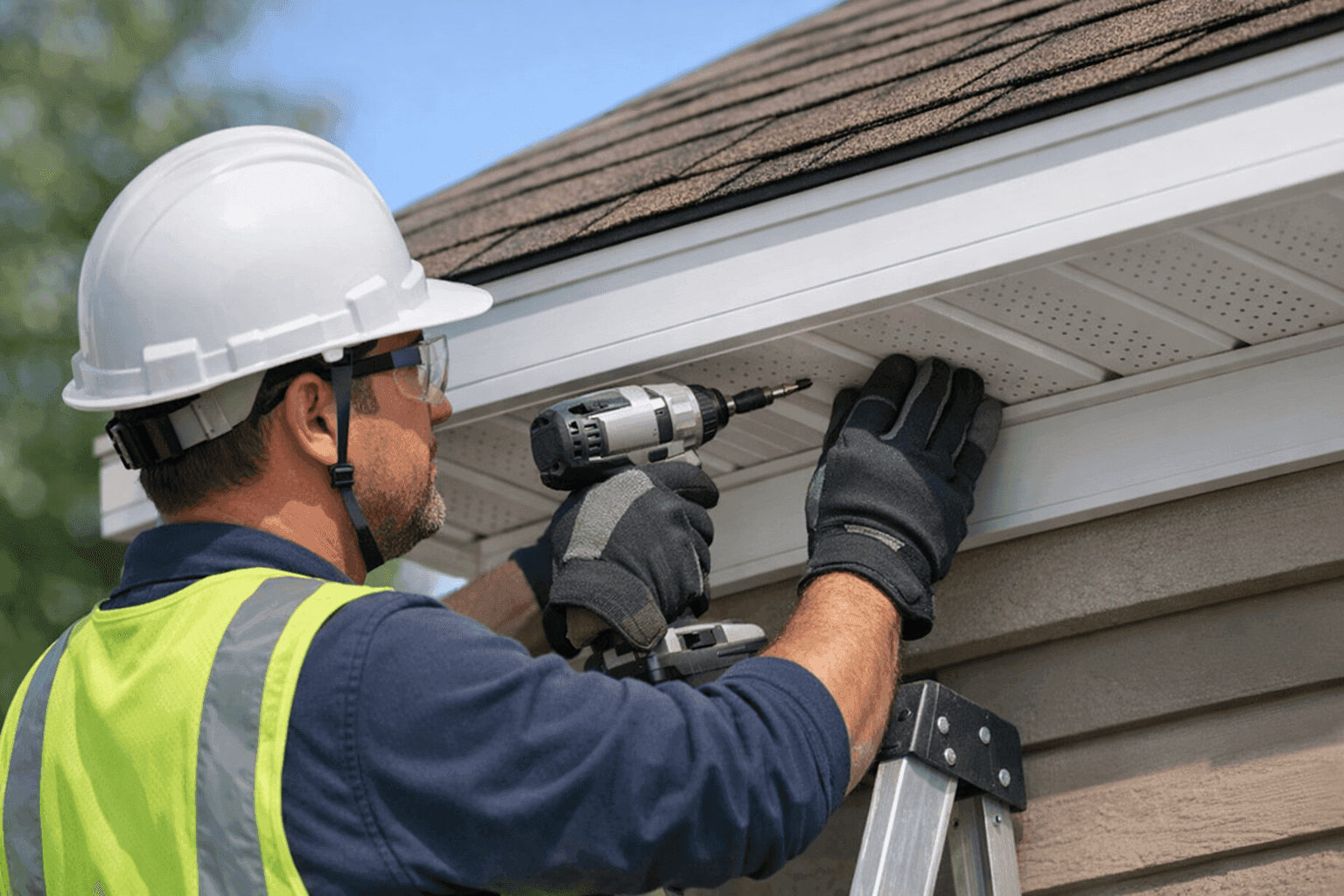
Is your home’s roofline sporting peeling paint, warped boards, or even a mysterious patch of mold? You’re not alone. Many homeowners overlook the silent defenders tucked under the eaves: soffits and fascia. At Schaefer Exteriors, we’ve seen firsthand how these unsung heroes protect homes from moisture, pests, and costly repairs.
You don’t have to be a construction pro to understand the basics. Armed with a little knowledge, you’ll spot trouble early and keep your home’s exterior in top shape.
What Are Soffits and Fascia? 🏠
Think of your roof as a sturdy hat. The brim—the edge that keeps rain off your face—is like your fascia. The underside, where cool air slips in and out, is your soffit. Together, they create a shield and a breathing space for your home.
- Soffit: The flat board tucked under your roof eaves. It usually has vents to let air flow into your attic. This invisible air highway helps prevent moisture buildup and mold.
- Fascia: The vertical finishing edge at the end of your rafters. It’s the board you see from the street, often where your gutters attach. It keeps water out and gives your roofline a crisp, finished look.
Both work quietly behind the scenes, keeping your siding and roof healthy.
Why They Matter
Why worry about boards you rarely notice? Because soffits and fascia are the first line of defense against some serious enemies:
- Moisture: They block wind-driven rain and snow from sneaking into your attic or walls.
- Ventilation: Soffit vents keep fresh air moving, kicking out heat and moisture that can rot wood or grow mold.
- Pests: Solid soffits and fascia keep out birds, squirrels, and insects looking for a cozy home.
- Curb Appeal: Clean trim and fresh paint don’t just look sharp—they add value.
Neglect these parts, and it’s like leaving a window cracked in a storm.
Common Issues Homeowners Face
Even tough materials can take a beating. Here are the problems we see most often:
- Rotting Wood: Water leaks from clogged gutters or damaged shingles can soak the boards.
- Peeling Paint: Sun, wind, and weather slowly strip away protection.
- Sagging or Missing Sections: Age or storms can loosen boards, leaving gaps for critters or water.
- Blocked Vents: Paint, insulation, or debris can accidentally cover soffit vents, choking off airflow.
- Pest Damage: Wasps, birds, or rodents may chew or nest if there’s a weak spot.
Every issue above is a red flag—don’t ignore them.
How Ventilation and Moisture Protection Work
Your attic needs to breathe. Without airflow, heat and moisture build up, damaging insulation and rafters. Soffit vents pull in fresh air, while roof vents let hot air escape. This cycle is not just for comfort—it’s required by building codes (see International Residential Code, Section R806).
Without proper soffit and fascia, you risk:
- Mold and mildew on attic insulation
- Swollen or warped roof decking
- Higher energy bills in summer and winter
It’s all about balance. Too little ventilation, and you’ve got a sauna. Too much, and you risk drafts or ice dams.
Signs You Need Repairs (or a Pro)
Spotting problems early can save thousands.
- Cracked or flaking paint near roof edges
- Visible rot or mold
- Gaps or missing trim
- Rattling or loose gutters
- Pest activity (nests, droppings, scratching sounds)
- Stuffy or humid attic
Small fixes now beat major repairs later. If you’re unsure, schedule a professional Soffit and Fascia Installation inspection.
DIY vs. Call a Pro
A handy homeowner can tackle minor paint touch-ups or clear blocked vents. But for structural repairs, replacement, or anything involving ladders two stories high, it’s time for a siding specialist.
When to DIY:
- Cleaning soffit vents with a brush or blower
- Touching up paint
- Tightening a loose screw
When to call Schaefer Exteriors:
- Rotting or sagging boards
- Mold, mildew, or persistent leaks
- Animal or insect damage
- Full replacement or storm repairs
Safety first. Working near the roof edge is risky, especially without the right tools.
What Pros Do on Arrival
Here’s what to expect from a siding contractor’s visit:
- Inspection: Careful look at soffits, fascia, gutters, and adjacent siding.
- Moisture Check: Testing for soft spots or hidden leaks.
- Ventilation Test: Making sure airflow meets code.
- Material Match: Sourcing siding and trim that matches your home’s style and color.
- Estimate: Clear breakdown of recommended fixes and costs.
A reputable team will walk you through options and answer questions—no pressure, just practical advice.
Upgrading or Repairing: What to Consider
Not sure if it’s time to repair or replace? Here’s a quick guide:
- Small cracks or paint blisters: Sand and repaint.
- Localized rot or damage: Replace the affected section.
- Extensive rot or sagging: Full replacement is safer and usually more cost-effective long-term.
- Blocked or missing vents: Upgrade to modern vented soffits for better airflow.
Materials matter, too. Vinyl and aluminum resist rot and need less upkeep. Wood looks classic but needs more care. Fiber cement is tough and low-maintenance—a great choice for many homes.
Choosing the Right Materials
Every home is unique, and so are the options:
- Vinyl: Affordable, low maintenance, comes in many colors.
- Aluminum: Rust-resistant and tough, ideal for harsh weather.
- Wood: Warm, traditional, but needs regular sealing or painting.
- Fiber Cement: Durable, pest-resistant, and fire-retardant.
Talk to your contractor about what fits your home’s age, style, and climate. A Soffit and Fascia Installation can help you find the perfect match.
Costs, Timelines, and Disruption
No two jobs are the same. Here’s what to expect:
- Repairs: Minor fixes can take a few hours and cost less than you think.
- Full Replacement: Budget for a day or two, depending on the home’s size.
- Materials: Wood is often pricier, but vinyl and aluminum can offer great value.
- Disruption: Most work happens outside. Some noise and dust, but little impact indoors.
Always ask for a written estimate and timeline before work begins.
When It’s an Emergency
Storms, fallen branches, or animal invasions can create urgent soffit and fascia issues. If you spot:
- Gaping holes
- Water pouring in during rain
- Exposed attic insulation
Don’t wait. Water intrusion can quickly damage insulation, wiring, and ceilings inside. Reach out for Soffit and Fascia Repair services right away.
Seasonal Considerations
Spring and fall are ideal for inspections—before heavy rains or snow. Winter ice dams and summer heat can both stress soffits and fascia.
Tips for each season:
- Spring: Check for winter damage and clear blockages.
- Summer: Watch for pest activity and paint flaking.
- Fall: Clean out gutters to prevent water overflow.
- Winter: Inspect for ice dams and leaks after storms.
Maintenance Tips for Lasting Protection 🧹
A little attention goes a long way:
- Clean soffit vents with a soft brush or vacuum.
- Check paint and caulk lines every year.
- Keep gutters clear so water doesn’t overflow and soak fascia boards.
- Trim back tree branches to prevent impact damage.
Set a reminder for a yearly siding and roofline checkup. Your home will thank you.
Common Mistakes Homeowners Make
Everyone misses a few things. Watch out for these pitfalls:
- Painting over soffit vents (choking off airflow)
- Ignoring small leaks or stains, hoping they’ll disappear
- Using incompatible materials for repairs
- Delaying needed fixes until after a storm
- Skipping annual gutter cleaning
A little prevention is always cheaper than a big repair.
Frequently Asked Questions
How often should soffits and fascia be inspected?
At least once a year, or after any major storm.
Can I paint over vinyl or aluminum soffits and fascia?
It’s possible, but use the right paint and prep method—ask a pro first.
Do all homes need vented soffits?
Most do, but some older homes use alternative ventilation. A siding specialist can check your setup.
What’s the lifespan of modern soffit and fascia materials?
Vinyl and aluminum can last 20–30 years or more with good care. Wood needs more frequent upkeep.
Local Siding Services You Can Rely On
Whether you’re planning a fresh look, repairing storm damage, or just want a reliable annual inspection, Schaefer Exteriors is here to help. Our team handles everything from Siding Color Consultation to full replacement, always with safety and code compliance in mind. If you’re searching for siding specialists or siding services in your area, our pros are ready to lend a hand.
Call Schaefer Exteriors now — or reach us anytime at 877-331-5875 .