Fiber Cement Siding: Benefits, Installation, and Maintenance
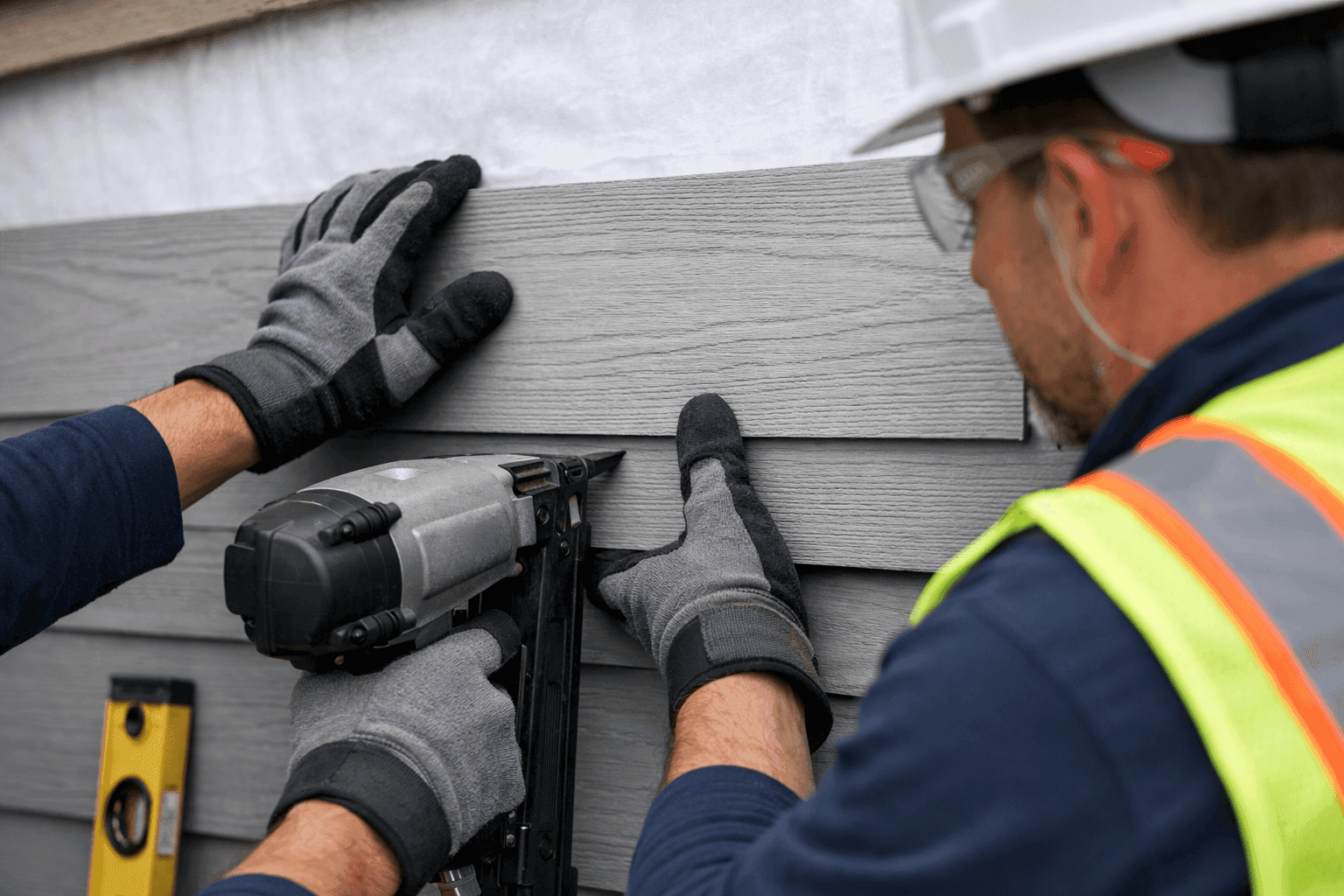
Are you looking for a siding upgrade that will protect your home for decades? Maybe you’re tired of siding that fades, cracks, or just doesn’t hold up when storms hit. At Schaefer Exteriors, we get it. Choosing the right siding is a big decision—one that affects your home’s look, safety, and value for years to come.
Fiber cement siding is one of the most reliable and attractive options available today. Let’s break down what makes it special, how installation works, and what you need to know to keep it looking sharp.
What Is Fiber Cement Siding?
Imagine a shield for your house—one that stands up to weather, fire, pests, and time. Fiber cement siding is crafted from a blend of cement, sand, and cellulose fibers. The result? Panels and boards that mimic the look of wood, stucco, or even masonry, but with far more resilience.
You get the warm, classic look of painted wood, but without the worries about rot, warping, or constant repainting. It’s the best of both worlds.
Why Homeowners Choose Fiber Cement Siding
Fiber cement siding is gaining popularity for good reasons. Here’s why so many families pick it:
- Durability: Unlike wood, it won’t rot, swell, or attract termites. It laughs in the face of hail and high winds.
- Fire Resistance: Rated non-combustible by the International Building Code. That means extra peace of mind.
- Low Maintenance: Needs less attention than wood or even some vinyl products.
- Curb Appeal: Looks sharp—whether you prefer smooth, textured, or wood-grain styles. Choose from a range of colors with a pro Siding Color Consultation near you.
- Eco-Friendly Options: Some brands use recycled materials and sustainable processes.
Fiber Cement vs. Other Siding Materials
How does fiber cement stack up against other common choices? Here’s what sets it apart:
Vinyl Siding
- Vinyl is affordable and easy to install. But it can crack in cold weather, melt near heat, and fade over time.
- Fiber cement is tougher, resists fading, and stands up to the elements.
Wood Siding
- Wood offers classic beauty but needs regular painting and is vulnerable to rot and pests.
- Fiber cement mimics wood’s look, minus the headaches.
Stucco
- Stucco performs well in dry climates but can crack with shifting soil or freeze/thaw cycles.
- Fiber cement works in a variety of climates and is less prone to damage.
Metal Siding
- Metal is durable but can dent and sometimes looks too industrial for residential homes.
- Fiber cement offers a softer, more traditional appearance with similar strength.
The Installation Process: What to Expect
Installing fiber cement siding is like putting together a puzzle—each piece must fit perfectly, and precision is key. Here’s how it usually goes:
- Prep & Inspection: We check your existing walls, measure carefully, and plan for trim, soffit, and fascia.
- Removal: Old siding and damaged trim come off. If there’s hidden damage, we’ll talk about next steps.
- Weather Barrier: A water-resistant layer goes on first, meeting code and protecting your home from moisture.
- Cutting & Fitting: Fiber cement is heavy and tough—cutting it kicks up dust, so we use proper safety gear and tools.
- Attachment: Panels and boards are nailed or screwed into place, following manufacturer specs for spacing and fasteners.
- Trim & Finish: Corners, edges, and joints are sealed and finished for a watertight fit.
- Cleanup: We leave your property tidy—no stray nails or scraps.
Expect a typical project to last from a few days to two weeks, depending on your home’s size and any special features.
Safety First: Quick Checklist
Before and during installation, safety matters—for your family and our crew. Here’s what we always consider:
- Dust Control: Cutting fiber cement releases silica dust. We use masks, goggles, and wet saws.
- Secure Work Zones: Ladders, scaffolding, and tools are checked and set up away from play areas or pets.
- Code Compliance: All work meets local building codes and guidelines from the Occupational Safety and Health Administration (OSHA).
DIY vs. Professional Installation
Could you install fiber cement siding yourself? In theory, yes. In practice, it’s like trying to build a treehouse with bricks—possible, but not easy.
Fiber cement is heavy and hard to cut. It takes a team to handle panels safely, line up joints, and finish details. Small mistakes—gaps, crooked boards, missed caulking—can lead to big problems down the line.
Hiring a siding contractor like Schaefer Exteriors means the job gets done right, with less risk and stress for you.
Timeline and What to Expect During Your Project
Worried about disruption? Here’s how we keep things moving smoothly:
- Clear Communication: Before we start, we walk you through the plan, timeline, and what to expect.
- Daily Progress: You’ll see steady progress each day—old siding comes off, new panels go up, finishing touches added.
- Weather Delays: We work around rain or storms to keep your home protected at all times.
- Final Walkthrough: Once it’s done, we inspect everything with you. Any punch-list items are handled promptly.
Expect 5–10 days for most residential jobs, a bit longer for complex designs.
How to Keep Fiber Cement Siding Looking Its Best
Good news—fiber cement siding doesn’t need constant pampering. Think of care as routine “check-ups,” not emergency surgery.
Basic Maintenance Checklist
- Annual Inspection: Look for cracks, chips, or loose boards. If anything looks off, call for a siding inspection.
- Cleaning: Rinse with a garden hose and a soft brush once or twice a year. Avoid high-pressure washing, which can damage the finish.
- Caulking & Sealing: Check joints and seams each spring. Touch up caulk where gaps appear.
- Painting: Most fiber cement comes prefinished, but you can repaint it every 10–15 years if you want a new look.
- Trim and Molding: Keep an eye on wood or composite trim for signs of wear.
You’ll find more info in the James Hardie installation and care guidelines, a leading manufacturer in the field.
Spotting Issues Early: Signs to Watch For
Fiber cement is tough, but nothing’s indestructible. Catching small problems early keeps things simple:
- Cracks or Chips: Usually from impact—hail, stray baseballs, or tree branches.
- Loose Panels or Boards: Can happen after storms or years of settling.
- Gaps in Caulk or Seams: Water can sneak in and cause hidden damage.
- Discoloration or Mold: Often a sign of trapped moisture. Don’t ignore it.
If you see any of these, schedule a siding inspection right away. Early fixes cost less and prevent bigger headaches.
Painting and Siding Color Consultation Near You
Love changing up your home’s colors? Fiber cement is a dream canvas. It takes paint beautifully, and with a professional Siding Color Consultation near you, you can choose from endless shades.
- Pre-finished Options: Many manufacturers offer baked-on finishes that last longer than field-applied paint.
- Custom Colors: Want something unique? Fiber cement’s smooth surface allows nearly any color you like.
- Maintenance Painting: Plan to repaint every decade or so, depending on your climate and sun exposure.
Fiber Cement Siding for New Construction and Renovation
Building a new home or adding an addition? Fiber cement is a smart investment. It’s equally suited for new construction or replacing tired, failing siding.
- Versatility: Works on modern homes, classic styles, and everything in between.
- Custom Solutions: Unique shapes, trims, and accents are all possible.
- Value: Adds lasting curb appeal and can boost resale value.
If you’re considering Siding Replacement, fiber cement is a strong contender.
Emergency Storm Damage? Here’s What to Do
Storms happen. Hail, wind, and flying debris can damage even the toughest siding. Here’s how to act fast:
- Stay Safe: Check from the ground for obvious issues—don’t climb ladders after a storm.
- Document Damage: Take photos for insurance.
- Call a Pro: Schedule an inspection with a siding contractor who knows fiber cement.
- Temporary Repairs: Cover exposed areas with tarp or plastic if needed.
Quick action prevents water from seeping in and causing bigger problems.
Fiber Cement Siding and Energy Efficiency
While fiber cement itself isn’t an insulator, it pairs well with added wall insulation. That means you can improve your home’s energy efficiency during installation.
- Insulation Installation: Ask about adding or upgrading insulation behind your new siding.
- Weatherproofing: Proper flashing, caulking, and sealing keeps drafts and moisture out.
The U.S. Department of Energy recommends checking wall insulation when replacing siding for best results.
Costs: What Goes Into the Price Tag
Fiber cement siding isn’t the cheapest option up front, but it’s an investment that pays off over time.
- Materials: Higher quality than vinyl or basic wood.
- Labor: Heavier and more complex to install, so labor costs are a bit higher.
- Longevity: Lasts 30–50 years or more with basic care.
- Maintenance: Less frequent painting and fewer repairs.
Ask for a detailed estimate so you know exactly what’s included.
Common Mistakes (And How We Avoid Them)
Even the best materials can fail if installed wrong. Here’s what we watch out for:
- Improper Nailing: Can cause boards to crack or work loose.
- Skipping Flashing: Leads to water getting behind the siding.
- Poor Caulking: Allows air and water leaks.
- Bad Joints: Gaps that invite insects and moisture.
At Schaefer Exteriors, we follow manufacturer guidelines, building codes, and years of hands-on experience.
Seasonal Tips for Fiber Cement Siding
- Spring: Inspect after winter for any new cracks or gaps.
- Summer: Keep landscaping trimmed to avoid scratching or bumping the siding.
- Fall: Check caulk and seals before wet weather sets in.
- Winter: Remove snow buildup near the bottom of walls.
Why Choose Schaefer Exteriors for Fiber Cement Siding?
With years of hands-on installation under our belts, we know fiber cement inside and out. We handle every project—from Siding Color Consultation to final inspection—with care and precision.
We’ve helped hundreds of families transform their homes with siding solutions that last. Whether you need new fiber cement siding installation, Siding Maintenance, or repair after a storm, we’re here to help.
If you live in Georgia, our siding company has completed projects in all kinds of neighborhoods—including this one in Roswell.
Ready to Upgrade? Let’s Talk Fiber Cement Siding
Your home deserves strong, beautiful siding that stands the test of time. Fiber cement is a smart choice for families who want both beauty and peace of mind.
Call Schaefer Exteriors now — or reach us anytime at 877-331-5875 .