Fiber Cement Siding: Benefits, Costs, and Installation Process
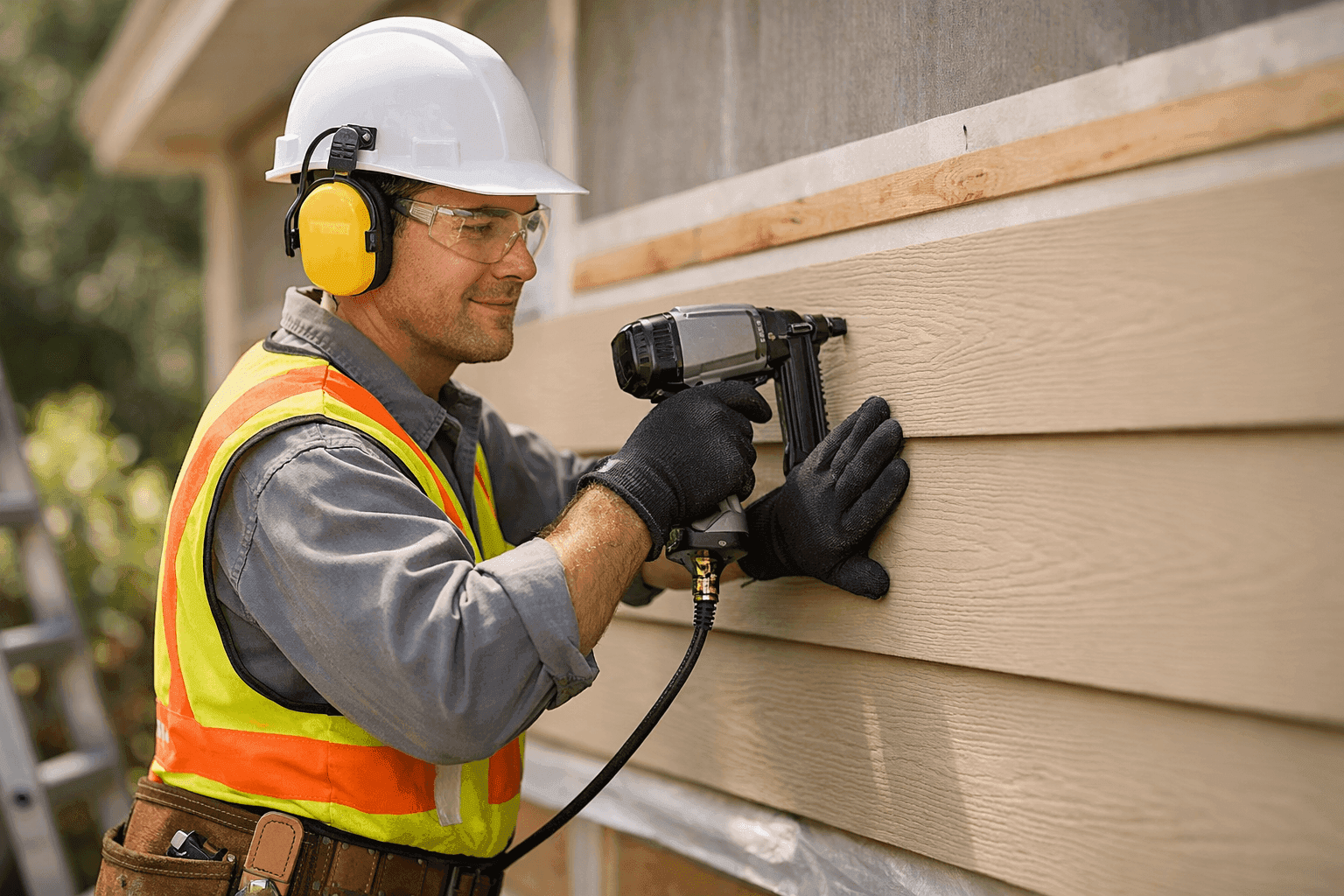
When your home needs new siding, it’s more than curb appeal at stake. There’s your peace of mind—your investment—your family. At Schaefer Exteriors, we see the real-life worries that come with picking the right siding. That’s why we dig into the details, so you feel confident every step of the way.
Fiber cement siding stands out for its durability and protection. But is it right for your home? Let’s walk through what makes it unique, what it costs, and how the process really works.
What Is Fiber Cement Siding? The Nuts and Bolts
Think of fiber cement siding as the Swiss Army knife of home exteriors. It’s a blend of cement, sand, water, and cellulose fibers—engineered for toughness. The result? Boards that look like wood, stand up to harsh weather, and need very little fuss.
It’s not just about looks. The composition makes it resistant to rot, insects, and fire. Homeowners looking for a long-term solution often find themselves drawn to fiber cement.
Why Homeowners Choose Fiber Cement Siding 🏡
- Lasts Decades: Properly installed and cared for, fiber cement can protect your home for 30–50 years.
- Stands Up to Weather: Hail, wind, driving rain—it shrugs them off.
- Fire Resistance: Meets many fire safety codes (refer to International Building Code Section 1406), giving added peace against wildfires or neighborhood mishaps.
- Pest Proof: Termites and carpenter ants find no joy here.
- Low Maintenance: Occasional cleaning and periodic painting keep it fresh.
Fiber Cement vs. Vinyl and Wood: The Real Differences
Vinyl Siding: Lower cost up front. But it can crack in cold, warp in heat, and lacks fiber cement’s fire resistance.
Wood Siding: Gorgeous, classic charm. But wood demands regular sealing, painting, and watchful eyes for rot or insects.
Fiber Cement: Sits right in the middle on price. But it’s like a steel-toed boot—tough, reliable, with timeless curb appeal. Less maintenance than wood, far more robust than vinyl.
How Fiber Cement Siding Is Installed: Step by Step
1. Preparation: The Foundation of Success
First, we check for rot or structural problems on your walls. Old siding and trim are removed. The sheathing underneath is inspected—any repairs are made now, not later.
2. Moisture Barriers and Flashing
A weather-resistant barrier (like house wrap) is installed. This is your home’s raincoat, stopping moisture from creeping in. Flashing is added at windows, doors, and corners—think of it as the umbrella for your siding.
3. Precise Measurements and Cutting
Fiber cement boards are heavier than vinyl or wood, so accuracy matters. Each piece is measured and cut using specialty tools. Edges are sealed to guard against water.
4. Installation: Board by Board
Boards are installed from the bottom up, nailed into studs, and spaced for expansion. Careful attention is given to seams, joints, and trim—this is what gives your siding its finished look.
5. Caulking and Sealing
Joints and edges are caulked with high-quality, paintable sealant. This step is key for keeping out water and drafts.
6. Painting and Finishing Touches
Some fiber cement arrives pre-finished. If not, it’s primed and painted on site, with color choices guided by our Siding Color Consultation. We clean up, haul away debris, and walk you through the results.
How Much Does Fiber Cement Siding Cost?
Pricing depends on several factors:
- Home Size: More siding means higher material and labor costs.
- Siding Profile: Lap, shingle, or panel—each style varies in price.
- Paint/Finish: Factory-finished siding is usually pricier but saves on painting.
- Complexity: Multiple stories, lots of windows, or intricate trim add to the labor.
- Removal of Old Siding: Tearing out old materials takes time and care.
Typical range: Expect $10–$15 per square foot (installed), though complex jobs or premium finishes can cost more. For a 2,000 sq ft home, that’s roughly $20,000–$30,000. Always get a detailed estimate before starting.
Common Questions About Fiber Cement Siding
Is it heavy?
Yes. It’s denser than vinyl or wood, so proper installation is a must. That’s why pro crews like ours use special lifts and cutting tools.
Will it need painting?
Most brands need repainting every 10–15 years, far less frequent than traditional wood.
Can I pressure wash it?
Gentle cleaning is fine, but high pressure can damage the surface. Stick to a soft cloth or brush and mild detergent.
Does it work in hot or cold climates?
Absolutely. It resists swelling, cracking, and shrinking in temperature swings.
Fiber Cement Siding: Safety and Building Codes
Fiber cement meets or exceeds many local and national codes for fire and weather resistance. Always check with your local building authority or review ICC (International Code Council) guidelines. At Schaefer Exteriors, we follow these codes to the letter.
DIY Installation vs. Hiring a Pro
Installing fiber cement siding is not a weekend project. Boards are heavy, dust is hazardous if inhaled, and precision matters. If you’re not comfortable with scaffolding, power tools, and code requirements, it’s wise to call in siding specialists.
How Long Does Installation Take?
Most residential jobs take 7–14 days, depending on weather, home size, and complexity. We keep you informed every step, so there are no surprises.
Maintenance and Longevity Tips
- Inspect Annually: Look for cracks or gaps in caulking.
- Clean Gently: Avoid harsh chemicals or high-pressure washing.
- Touch Up Paint: If you spot chips or fading, address them quickly.
- Keep Gutters Clean: Prevent water from spilling onto siding.
Signs It’s Time to Replace Old Siding
- Warped or soft spots
- Peeling paint or bubbling
- Visible gaps or loose boards
- Rising energy bills (insulation may be failing)
If you see these, a siding inspection can save bigger headaches down the road.
Storm Damage and Emergency Repairs
Fiber cement is tough, but no siding is invincible. Severe storms can sometimes crack boards or cause impact damage. Quick repairs keep moisture out and protect your home’s structure. Our team handles storm damage and emergency siding services—fast.
Seasonal Considerations
Spring and fall are ideal for installation—mild weather means smoother progress. In freezing temps, caulking and paint may not cure properly, so timing matters.
Common Mistakes to Avoid
- Skipping the moisture barrier
- Poorly sealed joints
- Incorrect nailing (can cause cracking)
- Ignoring manufacturer instructions (which can void warranty)
We see these issues most often on DIY jobs or rushed installs.
Why Experience Matters: Our Approach
With years of hands-on experience, Schaefer Exteriors brings proven skill to every fiber cement project. We stay up to date with the latest products, techniques, and safety guidelines. Whether you’re looking for a new look or critical repairs, our team delivers reliable results. If you’re in the area and searching for a siding company that handles fiber cement with care, you’re in the right place.
Your Home, Protected for Years to Come
Fiber cement siding isn’t just a surface upgrade—it’s a long-term investment in your home. From color consultation to the final brushstroke, we guide you every step of the way.
Ready to get started or have more questions? Call Schaefer Exteriors now. Or reach us anytime at 877-331-5875 .