Essential Siding Maintenance Tasks Every Homeowner Should Know
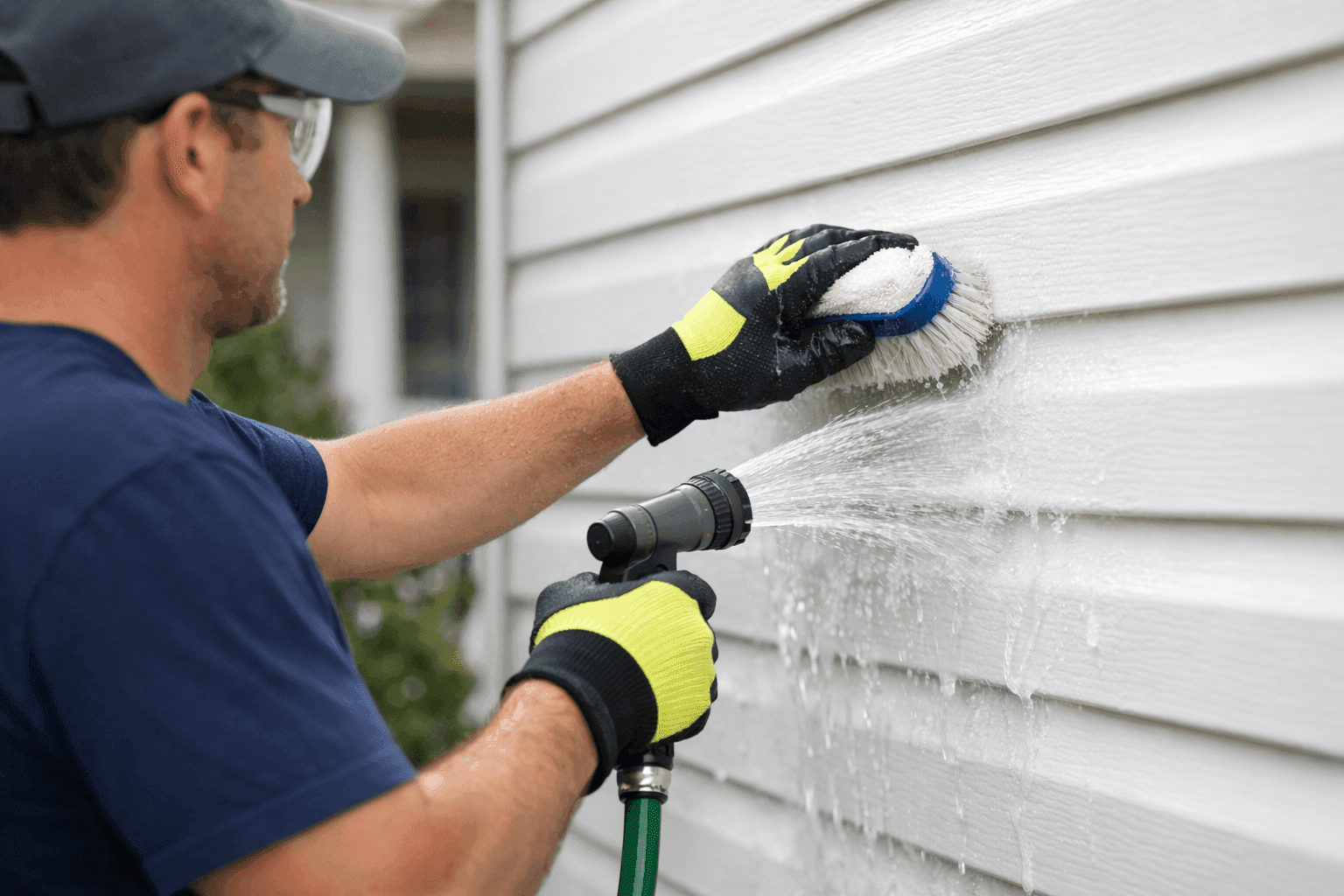
Every home tells a story, but siding is what shields it through every chapter—rain, snow, or blazing sun. Neglecting siding is like letting a sturdy umbrella turn to shreds in a storm. Proactive maintenance isn’t just for perfectionists; it’s for every homeowner who values their investment.
At Schaefer Exteriors, we know that even small acts of care can mean the difference between a cozy home and costly repairs down the road. Here’s what you should know to keep your siding strong, beautiful, and weather-ready.
Routine Cleaning
Think of routine siding cleaning as brushing your teeth—skip it, and problems build up. Dirt, pollen, mold, and mildew quietly settle in, dulling your home’s color and potentially eating away at its defenses.
- How Often? Once or twice a year is ideal. Spring and fall are perfect.
- What to Use? A garden hose, soft long-handled brush, and a mild detergent. Avoid pressure washers unless you’re sure your siding can handle it—fiber cement or wood, especially, can be damaged by high force.
- DIY Tip: Always rinse from the top down. For stubborn stains, use a siding-safe cleaner (EPA guidelines recommend non-toxic, biodegradable options).
Why it matters: Regular cleaning prevents buildup that can trap moisture—a leading cause of rot and warping. It also keeps bugs at bay, since insects love grime and hidden crevices. For more on our professional approach, see Siding Cleaning. 🧼
Annual Inspections
Imagine your siding as armor—it needs a yearly checkup. Walk around your house with a keen eye.
- What to Look For:
- Cracks, chips, or warped boards
- Missing caulking
- Loose or missing panels
- Discoloration, which may mean water intrusion or mold
- DIY vs. Pro: You can spot obvious issues, but a professional inspection ensures nothing gets missed—especially hidden leaks or ventilation problems. The International Association of Certified Home Inspectors recommends annual exterior checks.
Why it matters: Small issues now can become big headaches later. An annual inspection is cheaper than a major repair.
Repairing Minor Damage
Picture a loose shingle on a roof. Ignore it, and soon you’ll have a leak. The same goes for siding.
- Small Fixes: Tighten loose nails or screws, replace cracked panels, or patch small holes with matching materials.
- Wood Siding: Sand and touch up with exterior paint or stain.
- Vinyl or Fiber Cement: Replacement is often better than patching.
- When to Call a Pro: If you see widespread warping, rot, or suspect underlying water damage, don’t wait.
Why it matters: Addressing small problems quickly stops water from sneaking in and damaging your walls or insulation. Quick repairs are often a fraction of the cost of waiting.
Caulking and Sealing
Caulk is the silent guardian against drafts and leaks. Over time, sun and weather break it down, leaving cracks behind.
- Inspect Annually: Check all joints, around windows, doors, and where siding meets trim.
- What to Use: Use a high-quality, paintable exterior caulk. Elastomeric caulks are best for flexibility in changing temperatures.
- Technique: Scrape out old, failing caulk before applying new. Smooth with a damp finger or tool.
- Do: Pay special attention to south- and west-facing walls—they take the brunt of weather.
Why it matters: Proper sealing stops water, pests, and drafts in their tracks. It also lowers energy bills by keeping conditioned air inside.
Seasonal Maintenance
Just as you swap out summer clothes for winter ones, your siding needs seasonal attention.
Spring
- Clean siding to remove winter grime.
- Check for cracks or loose panels after freezing temps.
Summer
- Trim landscaping to prevent branches and vines from damaging or staining siding.
- Watch for signs of insect activity.
Fall
- Remove leaves and debris from around your foundation and gutters.
- Check caulking before cold weather sets in.
Winter
- Inspect after storms for wind or ice damage.
- Make sure snow doesn’t pile up against your siding.
Why it matters: Each season brings new threats. Staying ahead keeps repairs minimal and extends siding life. For more tips tailored to your area, check out our Siding Maintenance page.
Safety First: Quick Checklist
Safety is always step one.
- Wear gloves and eye protection when cleaning or inspecting.
- Use sturdy ladders on level ground.
- Avoid cleaning near electrical wires.
- Never mix cleaning chemicals—stick to one at a time.
The Occupational Safety and Health Administration (OSHA) recommends proper ladder safety at all times.
Prevention Pays Off
Imagine your siding as a raincoat. If you patch a small tear right away, you stay dry. Ignore it, and you’ll be soaked in no time.
- Regular cleaning and inspection = prevention
- Early repairs = savings
- Proper caulking = comfort and efficiency
It’s not just about avoiding big repair bills. It’s about peace of mind and keeping your home looking sharp.
When to Call a Professional
Some tasks are DIY-friendly. Others need a specialist’s touch.
- Call Schaefer Exteriors if:
- You find major damage, rot, or soft spots
- There’s evidence of mold inside your home
- You want a full Siding Color Consultation
- You need specialized repairs (fiber cement, metal, stucco)
We bring the right tools, materials, and know-how—plus, we follow all local building codes and manufacturer specs.
Common Mistakes to Avoid
- Skipping annual inspections
- Using harsh chemicals or pressure washers on delicate siding
- Ignoring caulking and flashing
- Letting vines or shrubs grow too close
- Painting or sealing in damp weather—wait for a dry day
A little vigilance prevents expensive surprises.
Signs of Trouble
Act fast if you notice:
- Bubbling or peeling paint
- Soft, spongy areas (often rot)
- Persistent musty smells indoors (may mean hidden leaks)
- Sudden spikes in energy bills
Don’t wait—early action is always cheaper than emergency repairs.
Materials and Equipment
- Soft-bristled brush, garden hose
- Mild, siding-safe detergent
- Exterior-grade caulk
- Putty knife, sandpaper
- Ladder, gloves, safety glasses
Choose tools that match your siding type. If in doubt, call for advice.
Timeline & What to Expect
- Cleaning: 1–2 hours for an average home
- Inspection: 30–60 minutes
- Minor repairs: Same day
- Caulking: A few hours (plan for drying time)
Most maintenance can be done in a weekend. For big jobs, we’ll outline the process and timeline.
FAQ: Siding Maintenance Edition
Q: How long does siding last with regular maintenance?
A: Vinyl can last 20–40 years, fiber cement 30–50 years, and wood varies—longer if well cared for.
Q: Is cleaning with a power washer safe?
A: Only if your siding and caulking are in great shape—and use low pressure.
Q: What’s the best season for repainting?
A: Early fall or spring, when humidity is low and temps are moderate.
Final Thoughts: Your Home’s Best Defense
Siding maintenance isn’t glamorous—but it’s essential. Regular care is like oiling the hinges of your front door: it keeps things working quietly, saves you money, and lets your home shine.
Ready to schedule a siding inspection or repair?
Call Schaefer Exteriors now — or reach us anytime at 877-331-5875 .