Emergency Siding Repairs: What Homeowners Need to Know
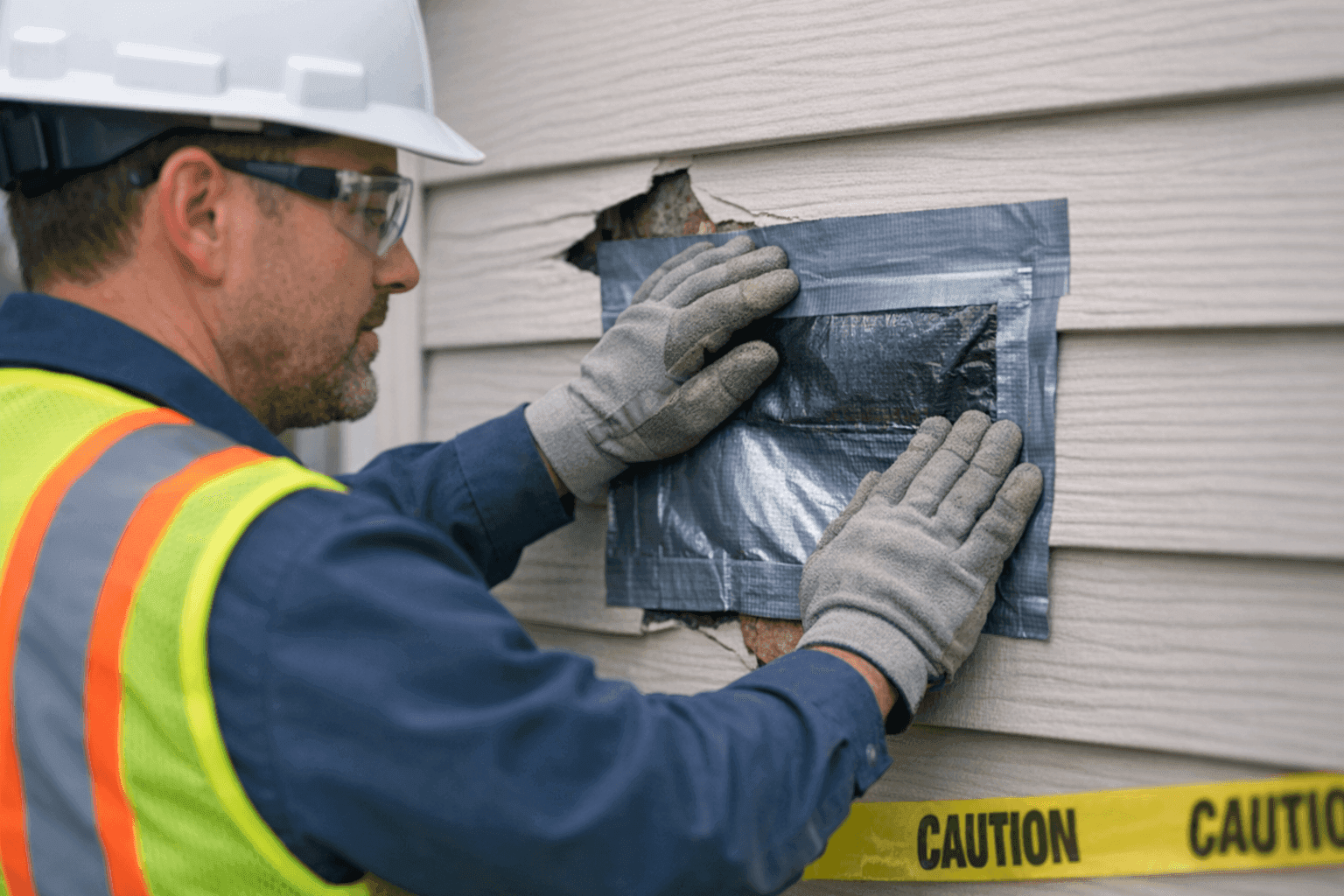
When disaster strikes your home’s exterior, it’s more than just curb appeal on the line. Siding is your home’s armor—when it’s breached, everything from water to pests can sneak in. Emergencies call for quick thinking and even quicker action.
At Schaefer Exteriors, we’ve seen how a fast, professional response can make all the difference. Here’s what homeowners should know before, during, and after a siding emergency.
What Qualifies as a Siding Emergency?
Not every crack or ding needs a frantic call. But some situations can spiral if not handled right away:
- Wind or hail has ripped panels loose, exposing insulation or framing
- Water is infiltrating through gaps, especially during storms
- Sections of siding are dangling, posing a safety risk
- Fire damage or impact from fallen trees/branches
- Visible mold or rot after sudden leaks
Think of your siding like a raincoat. A small tear might be okay for a while, but a gaping hole? That’s a problem that can soak your home from the inside out.
Quick Safety Checklist 🛑
Before you rush to inspect the damage, stop and ask:
- Is there loose, hanging siding that could fall and injure someone?
- Are power lines or electrical boxes nearby?
- Did water penetrate close to outlets, lights, or the breaker box?
- Is there broken glass, nails, or sharp debris on the ground?
If any answer is “yes,” keep a safe distance and wait for professionals. According to the International Residential Code (IRC), safety must always come first when assessing storm or structural damage.
Immediate Steps to Take
Time to act, but don’t panic. Here’s how to steady the ship:
-
Document the damage
Snap clear photos from a safe distance. This helps with insurance and gives pros a head start. -
Prevent further water entry
If rain is coming in, cover the area with a heavy tarp, weighed down at the edges. -
Keep kids and pets away
Curious hands (and paws) can get hurt around sharp debris or unstable panels. -
Contact your siding contractor
The sooner you call, the faster you’ll get on the emergency schedule. Need help now? Emergency Siding Services are available 24/7 for urgent issues.
Temporary Fixes: Holding the Fort
Sometimes you need to make do until help arrives. Here’s how to keep things under control:
- Use duct tape or exterior-grade tape to secure flapping pieces
- For small holes, apply heavy-duty plastic sheeting and tape tightly
- Place buckets or towels inside to catch drips
- Avoid using nails or screws unless you’re confident they won’t hit wiring
Remember, these are only short-term solutions. They’re like bandages—not cures.
Protecting Your Home from Further Harm
Water and wind don’t wait. Every minute your home’s barrier is compromised, the risk increases:
- Mold can begin to grow in as little as 24-48 hours after water intrusion (CDC)
- Pests find easy access through gaps, chewing through insulation and wiring
- Soaked insulation loses its effectiveness, raising energy bills
Proactive steps now can save thousands in hidden repairs later.
Siding Damage: When Should You Call a Pro?
DIY fixes have their place. But some signs call for immediate professional help:
- Large sections of siding are missing or warped
- Underlying wood is exposed or visibly wet
- There’s evidence of electrical hazards
- The damage is close to windows, doors, or foundation connections
Professionals bring the right tools, materials, and—most importantly—know how to keep you safe.
What Pros Do When They Arrive
Here’s what you can expect with Schaefer Exteriors:
- Thorough inspection: We check all affected areas, including hidden spots water might sneak into.
- Temporary weatherproofing: Immediate protection to prevent further damage.
- Detailed documentation: For insurance claims and your peace of mind.
- Clear communication: We explain the damage, the plan, and what’s needed for lasting repairs.
Our emergency crews are trained to work quickly, safely, and by the book—aligned with local building codes and safety guidelines.
How Fast Should Repairs Happen?
The clock is ticking. Fast action limits damage, but repairs must still be done right.
- Within hours: Secure exposed areas and prevent water entry.
- Within days: Assess structural impact, remove damaged sections, and begin repairs.
- Within weeks: Complete all restoration, including color matching and finishing touches.
Delaying repairs can void warranties, lead to mold, or even affect home insurance coverage.
Siding Materials: Does It Matter in an Emergency?
Absolutely. Vinyl, fiber cement, wood, or metal all behave differently under stress.
- Vinyl siding may crack or blow off in high winds.
- Fiber cement resists fire and pests, but can fracture on impact.
- Wood siding is vulnerable to rot if exposed.
- Metal siding can dent but often stays attached.
A thorough Siding Inspection helps determine the right fix for your specific material.
The Role of Siding Color Consultation Near You
If repairs require panel replacement, color matching is crucial. Faded or discontinued colors can stand out like a mismatched patch on your favorite jeans. Siding Color Consultation near you ensures seamless repairs that blend with your home’s look.
Common Mistakes to Avoid
- Ignoring “minor” damage after a storm—small problems grow fast.
- Using the wrong materials for temporary fixes.
- Waiting for insurance approval before securing your home from the elements.
- Trying to replace panels without the right safety equipment.
Avoid shortcuts. Safety and quality should never be sacrificed for speed.
Prevention: Steps for Next Time
No one can predict every emergency, but preparation matters.
- Schedule annual siding inspections, especially after stormy seasons.
- Trim trees and branches away from your siding.
- Keep gutters clean—clogged gutters mean more water on your siding.
- Know your home’s most vulnerable spots.
A little vigilance goes a long way toward peace of mind.
Seasonal Siding Emergencies
- Spring/Fall: Wind and hail are common culprits.
- Winter: Ice dams can force water behind panels.
- Summer: Intense heat can warp certain materials.
Address seasonal risks early to avoid frantic calls when storms hit.
FAQ: Emergency Siding Repair
Q: Will insurance cover my emergency repair?
A: Most policies cover sudden, accidental damage. Document everything and contact your agent ASAP.
Q: How do I know if it’s safe to stay in my home?
A: If damage is severe, water is entering rapidly, or there’s a risk of electrical issues, it’s safest to evacuate until repairs are made.
Q: Can I pick a new siding color during emergency repairs?
A: Yes, but keep in mind that full replacement may be needed for a seamless look. Our Siding Color Consultation can help.
Why Rapid, Professional Action Matters
Treat siding emergencies like a sudden flat tire—ignore it, and you risk much bigger problems down the road. Fast, professional repairs protect your investment, your family, and your home’s health.
If you’re searching for a siding contractor after a storm or unexpected event, know that Schaefer Exteriors stands ready—day or night.
Final Thoughts: Protect Your Home’s Armor
Siding is more than decoration. It’s protection. Emergencies may be rare, but when they happen, every minute counts.
Don’t wait for small problems to become big ones. Don’t risk your safety or your home’s future.
Call Schaefer Exteriors now — or reach us anytime at 877-331-5875 .