Eco-Friendly Siding Options for the Modern Home
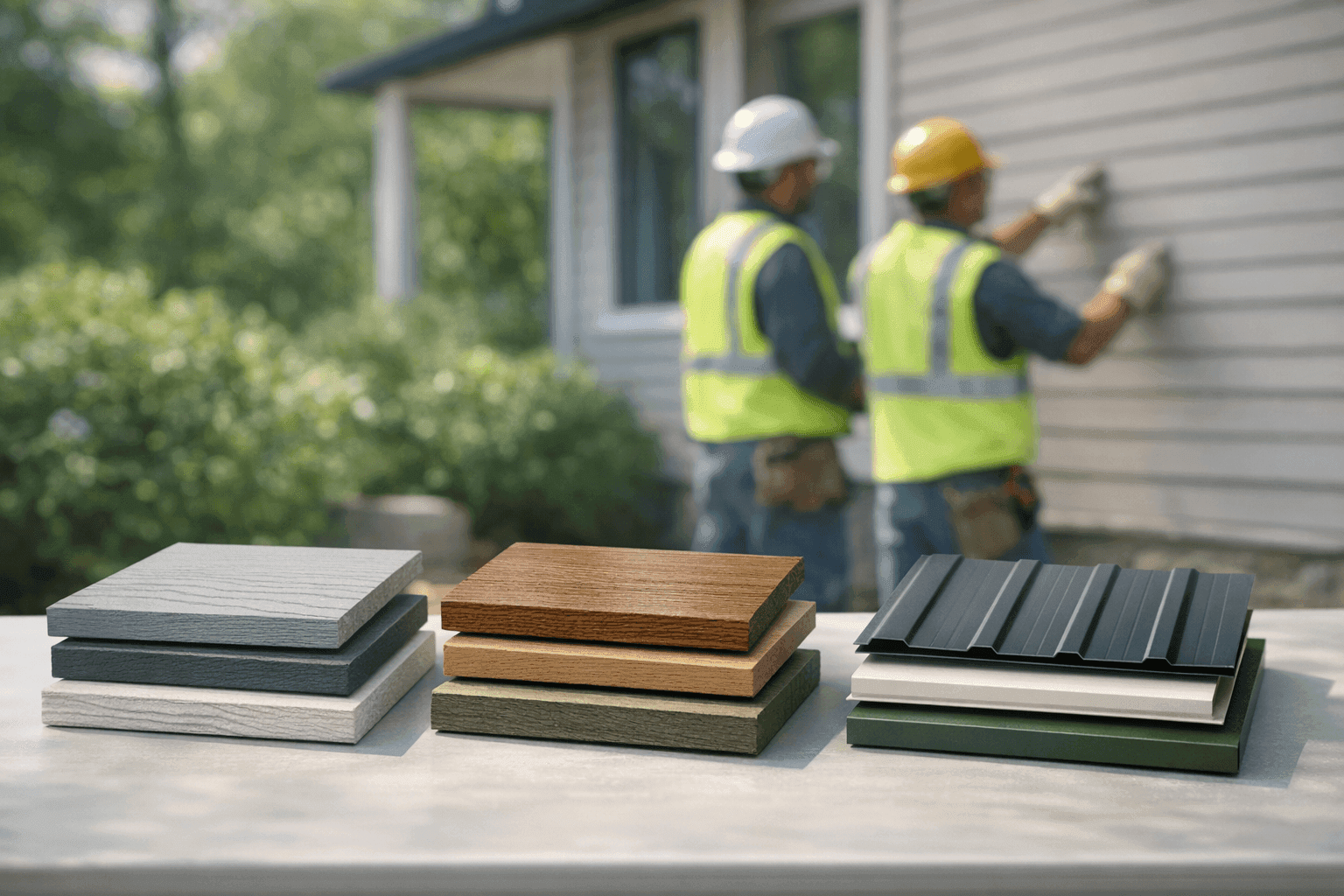
Are you thinking about a siding upgrade? Wondering if you can protect your home and the planet at the same time? You’re not alone. More homeowners than ever want their houses to look great—without leaving a heavy footprint. At Schaefer Exteriors, we meet families every week who want to blend curb appeal with real environmental care.
Siding isn’t just about looks. It shields your walls from storms, insulates your living space, and can even help you save on energy. But choosing the right material can feel overwhelming. Let’s break down what eco-friendly siding really means, bust a few myths, and walk you through what matters most for your modern home.
Why Choose Eco-Friendly Siding?
Switching to eco-friendly siding is more than a trend. It’s a statement—one that says you care about both your home and the environment. Sustainable siding options use less energy during manufacturing, emit fewer toxins, and often last longer than traditional alternatives. Think of it as putting a raincoat on your house that doesn’t leak chemicals into the soil.
But there’s more. Eco-friendly siding can raise your property value, lower utility bills, and give you peace of mind. It’s like investing in a better tomorrow, one panel at a time.
Top Sustainable Siding Materials 🌱
Not all siding is created equal. Here’s a look at some of the most popular green choices, each with its own strengths:
- Fiber Cement Siding: Made from sand, cement, and cellulose fibers. Durable, fire-resistant, and recyclable at end-of-life.
- Wood Siding: Especially when sourced from FSC-certified forests. Naturally beautiful, biodegradable, and easy to repair.
- Engineered Wood: Uses wood scraps and resins to create strong, sustainable boards. Less waste, lower impact.
- Recycled Metal Siding: Aluminum and steel can be repurposed again and again, making them a circular option.
- Stucco Siding: When mixed with lime or clay (instead of Portland cement), stucco becomes a low-emission, natural finish.
- Vinyl Siding (with recycled content): While not perfect, some manufacturers offer recycled vinyl, reducing landfill impact.
Each material has its own story. For example, fiber cement is known for its long life and fire resistance, but it’s heavier to install. Wood siding gives a classic look, but needs more regular upkeep. Metal can last decades, but may dent under hard impact.
Energy Efficiency: More Than Just Insulation
Good siding does more than block the wind. It helps your heating and cooling systems work less, which saves energy and money. According to the U.S. Department of Energy, up to 35% of a home’s energy loss happens through poorly insulated walls.
- Insulated siding panels add a built-in blanket to your house.
- Proper installation keeps out drafts and moisture.
- Color matters: Lighter shades reflect sunlight, keeping interiors cooler in summer.
At Schaefer Exteriors, our Siding Material Consultation includes a review of your insulation needs, not just the siding itself.
Cost and Lifespan: The Real Numbers
Eco-friendly siding isn’t always the cheapest option upfront. But it’s a classic “pay now or pay later” scenario. Investing in sustainable materials can mean fewer repairs, less maintenance, and lower energy bills over the years.
- Fiber cement: 30–50 year lifespan. Mid-range cost.
- Wood: 20–40 years with good care. Moderate to higher cost.
- Engineered wood: 20–30 years. Cost-effective.
- Metal: 40–70 years. Higher upfront, low maintenance.
- Stucco: 50+ years. Moderate cost with proper prep.
Remember: Cheap siding can mean expensive problems down the road.
Certifications to Look For
How do you know what’s truly “green”? Look for these third-party certifications and standards:
- FSC Certification: For responsibly harvested wood.
- GreenGuard: Verifies low chemical emissions.
- Cradle to Cradle: Assesses material health and recycling.
- ENERGY STAR: Recognizes energy-saving products.
- NAHB Green Building Standard: Recognizes sustainable building practices.
These seals are like a nutrition label for your home—proof you’re getting what you pay for.
Debunking Common Myths About Green Siding
Let’s clear the air:
- Myth: Eco-friendly siding is always more expensive.
- Reality: Upfront costs may be higher, but savings add up over time.
- Myth: All green siding needs lots of maintenance.
- Reality: Many options, like fiber cement and metal, are nearly maintenance-free.
- Myth: Sustainable siding looks boring.
- Reality: Today’s materials come in every color and style—get a Siding Color Consultation.
Signs Your Home Needs a Siding Upgrade
Eco-friendly or not, siding won’t last forever. Watch for:
- Warping, rot, or mold spots.
- Peeling paint or faded color.
- Drafts or rising energy bills.
- Visible cracks, gaps, or loose panels.
Acting early can save you money and headaches.
Quick Safety & Installation Checklist
Before you start any siding project, make sure:
- Installers follow local building codes (check with the International Residential Code or IRC).
- Proper safety gear is used—especially when handling fiber cement (silica dust!).
- All old siding is disposed of responsibly.
- Permits are in place for major exterior work.
- Ventilation and flashing are checked and updated as needed.
DIY vs. Professional Installation
Some homeowners like to tackle siding themselves. But eco-friendly materials can be heavier, trickier, or require special tools.
- DIY: May be possible for small wood repairs.
- Professional: Necessary for fiber cement, metal, and large projects.
A siding company can spot hidden issues—like moisture damage or improper flashing—that DIYers might miss.
What to Expect: Timeline & Disruption
Replacing siding usually takes 1–2 weeks, depending on your home size and material choice. Expect some noise, dust, and limited access to parts of your yard. Schaefer Exteriors always aims to keep your project tidy and on track.
Seasonal Considerations
Spring and fall are ideal for installing most siding. Extreme heat or cold can affect adhesives and paint. If you’re dealing with storm damage, call right away—don’t wait for perfect weather.
Maintenance Tips for Sustainable Siding
Keep your siding looking and working its best:
- Wash annually with mild soap and water.
- Inspect for cracks or gaps every season.
- Touch up paint or caulking as needed.
- Trim back bushes and trees to prevent scratching.
Our team offers regular siding maintenance and inspection services to help your investment last.
Eco-Friendly Siding in Your Community
Whether you’re building new or upgrading an existing home, eco-friendly siding is a smart, future-ready choice. From Eco-Friendly Siding Options for your local neighborhood to custom solutions for unique designs, Schaefer Exteriors can help you plan every step.
FAQs About Green Siding
Q: Does eco-friendly siding really lower my energy bills?
A: Yes—especially when paired with proper insulation.
Q: Will I have limited color choices?
A: No. Modern materials come in a huge range of colors and finishes.
Q: How do I know if a product is truly sustainable?
A: Look for certifications and ask for a lifecycle analysis during your consultation.
Ready to give your home a fresh, sustainable look? Call Schaefer Exteriors now — or reach us anytime at 877-331-5875 .