Comprehensive Home Siding Guide: Materials, Styles & Maintenance
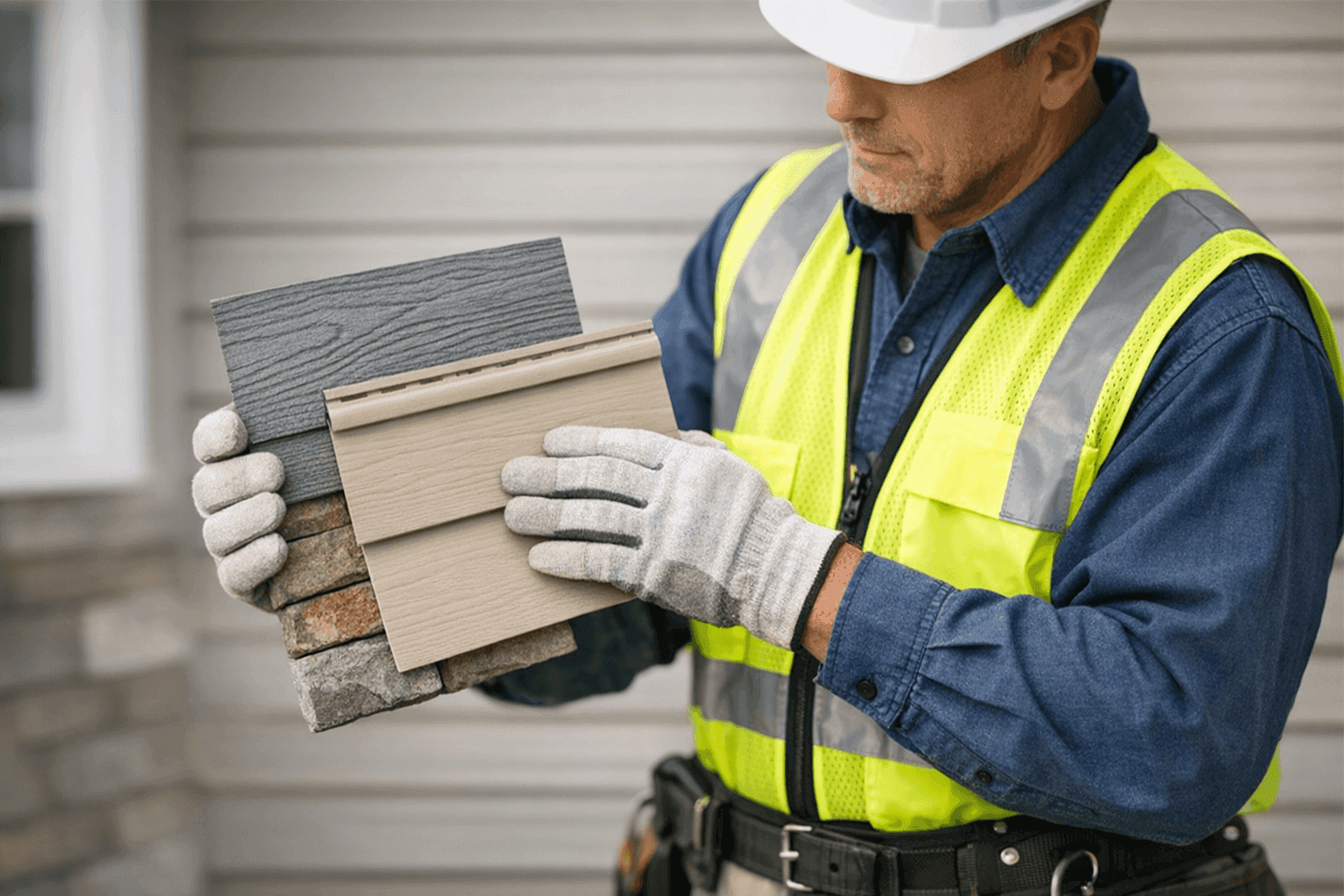
When you look at a house, siding is often the first thing you notice. It’s the armor that shields your home from the elements. But it’s also your home’s handshake—its first impression to neighbors, friends, and guests.
For many homeowners, picking siding feels like standing at a fork in the road. There are choices everywhere—fiber cement, vinyl, wood, metal, stucco, even eco-friendly options. Each has its own story, strengths, and secrets. At Schaefer Exteriors, we guide you through every step, from Siding Color Consultation near you to maintenance that keeps your investment strong.
Why Siding Matters More Than You Think
Siding isn’t just decoration. It’s your home’s raincoat, shield, and insulation all in one. Good siding keeps water, wind, and sun at bay. It also helps lower your energy bills and boosts resale value.
Neglect it, and small problems can snowball. Moisture sneaks in. Paint peels. Mold creeps. Suddenly, a cosmetic issue becomes a structural headache.
Siding Materials 101: What Are Your Options?
Let’s break down the main types you’ll find on homes today. Each has pros, cons, and a unique feel—like different fabrics in your wardrobe.
Fiber Cement Siding
Think of fiber cement as the Swiss Army knife of siding. It’s made from sand, cement, and cellulose fibers, creating a tough, fire-resistant shell.
- Pros: Resists rot, fire, and insects. Holds paint beautifully. Mimics wood or masonry.
- Cons: Heavier than other options, so installation must be done right. Needs periodic painting.
- Lifespan: 30-50 years with proper care.
Vinyl Siding
Vinyl is the workhorse—reliable, affordable, and available in endless colors and profiles.
- Pros: Low maintenance. Won’t peel or rot. Wide variety of looks.
- Cons: Can crack in extreme cold. Less impact-resistant than fiber cement.
- Lifespan: 20-40 years, depending on climate and care.
Wood Siding
Wood siding is the classic novel—timeless, charming, and warm. Cedar, redwood, and pine are popular choices.
- Pros: Natural beauty. Can be stained or painted any color. Eco-friendly if sourced responsibly.
- Cons: Needs regular sealing or painting. Vulnerable to insects and rot if not maintained.
- Lifespan: 15-40 years, but only with regular TLC.
Metal Siding
Aluminum and steel siding are the suits of armor—strong and sleek.
- Pros: Fire-resistant. Bugs and rot won’t touch it. Modern, clean look.
- Cons: Can dent or scratch. May rust if coatings are damaged.
- Lifespan: 30-50 years.
Stucco Siding
Stucco is the sculptor’s clay—molded and textured for bold curb appeal.
- Pros: Excellent insulation. Fire-resistant. Flexible finishes.
- Cons: Cracks if the foundation shifts. Needs professional installation.
- Lifespan: 50-80 years with proper maintenance.
Eco-Friendly Siding Options
Think recycled wood fiber, engineered wood, or sustainable composites. These options marry performance with a lighter footprint.
- Pros: Lower environmental impact. Can be very durable.
- Cons: Newer products may vary in quality. Always ask about warranties and certifications.
- Lifespan: 20-40 years, depending on material and climate.
Pros and Cons at a Glance
Every siding material brings something unique to the table. Some are the marathon runners—lasting decades with minimal care. Others trade longevity for charm or sustainability. What’s right for you depends on your priorities, your style, and your home’s needs.
Maintenance: The Key to Siding Longevity 🧹
Like a car, siding needs regular checkups. A little care goes a long way—saving money and headaches down the road.
Basic Siding Maintenance Routine
- Inspect twice a year: Spring and fall are best. Look for cracks, warping, or gaps.
- Clean gently: Use a garden hose or soft brush. Avoid pressure washers, which can damage some materials.
- Repaint or reseal: Especially for wood and fiber cement. This keeps moisture out.
- Check caulking: Around windows, doors, and seams. Replace if cracked or missing.
- Clear gutters and downspouts: Prevents water from spilling onto siding.
Safety Checklist
- Wear gloves and eye protection.
- Use sturdy ladders on level ground.
- Watch for wasp nests or loose boards before starting.
The U.S. Department of Housing and Urban Development provides guidelines for maintaining exterior home materials, so consider reviewing those for additional safety advice.
Signs Your Siding Needs Attention
Siding often whispers before it shouts. Here’s what to watch for:
- Fading, peeling, or bubbling paint
- Warped, cracked, or loose panels
- Mold, mildew, or green streaks
- Soft spots or visible rot
- Higher energy bills (a sign of insulation failure)
If these issues show up, don’t wait. Small repairs now can prevent a full replacement later.
Color, Style, and Trim: The Magic Touch
Choosing a siding color is like picking a suit for your home. It sets the tone—warm and welcoming, bold and modern, calm and classic.
- Light colors: Make homes look larger. Great in warm climates.
- Dark colors: Add drama but can fade faster in strong sun.
- Trim and molding: Highlight architectural features, frame windows, and doors. The right accents boost curb appeal and property value.
Schaefer Exteriors offers Siding Color Consultation near you to help match your home’s personality and neighborhood style.
How Siding Affects Curb Appeal and Value
A fresh facade can boost your property’s value by up to 10%, according to Remodeling Magazine’s Cost vs. Value Report. Siding isn’t just skin-deep; it’s an investment that pays you back, whether you’re selling or staying.
When Is It Time to Replace Siding?
No siding lasts forever. Here’s when a facelift is more than cosmetic:
- Widespread cracking or rotting
- Persistent moisture problems inside the walls
- Skyrocketing energy bills
- Frequent need for repairs
If your home’s siding is over 20 years old and showing multiple issues, replacement may be more cost-effective than constant patching.
The Replacement Process: What to Expect
Replacing siding is a bit like changing the skin on your house—careful, step-by-step, and worth the effort.
- Consultation & Inspection: Our team assesses your current siding and recommends options.
- Color & Material Selection: We help you choose the right look and performance for your climate.
- Preparation: Old siding is removed, and any repairs to the underlying structure are done.
- Installation: New siding, trim, and accessories are installed to code.
- Final Walkthrough: We review the project with you and answer any questions.
For details on our process, see Residential Siding.
DIY vs. Professional Siding Installation
Some jobs can be tackled by handy homeowners—cleaning, minor caulking, or touch-up painting. But installation and major repairs? Those are best left to a licensed siding contractor. Mistakes in flashing, insulation, or ventilation can lead to costly water damage or voided warranties.
The International Residential Code (IRC) sets strict guidelines for siding installation, ensuring your home is both safe and weatherproof.
Seasonal Siding Considerations
- Spring: Ideal for inspections and repairs before summer storms.
- Summer: Warm, dry weather speeds installation.
- Fall: Time to prep for winter—seal, paint, and clear debris.
- Winter: Emergency repairs only, as cold can affect materials and adhesives.
Siding Mistakes Homeowners Make (And How to Avoid Them)
- Ignoring small cracks or gaps
- Using the wrong cleaning tools
- Neglecting caulking and sealing
- Choosing color without considering sunlight exposure
- Delaying repairs until damage spreads
A little attention today saves big costs tomorrow.
How to Choose the Right Siding for Your Home
Think of it like picking the right shoes for a long hike. Consider:
- Climate: Hot, humid, rainy, or cold? Some materials handle extremes better than others.
- Home style: Modern, traditional, craftsman, or cottage? Certain profiles and colors suit each.
- Budget: Factor in long-term maintenance, not just upfront costs.
- Neighborhood guidelines: Some areas have restrictions on materials or colors.
- Sustainability: Eco-friendly options are available for the environmentally conscious.
Our Siding Consultation can help you weigh your options.
Why Schaefer Exteriors? Installation, Repair, and Ongoing Care
With years of hands-on experience, Schaefer Exteriors tackles everything from new construction to storm damage repair, siding replacement, and regular maintenance. Our approach is straightforward—clear communication, quality materials, and work that stands up to the elements.
We offer Siding Maintenance to keep your investment strong and beautiful for years to come.
If you’re looking for a reliable siding company, see our full range of siding services for siding specialists.
Your home deserves the best. Whether you need new installation, repairs, or just some honest advice, our team is here to help.
Call Schaefer Exteriors now — or reach us anytime at 877-331-5875 .