The Complete Guide to Siding for New Construction Homes
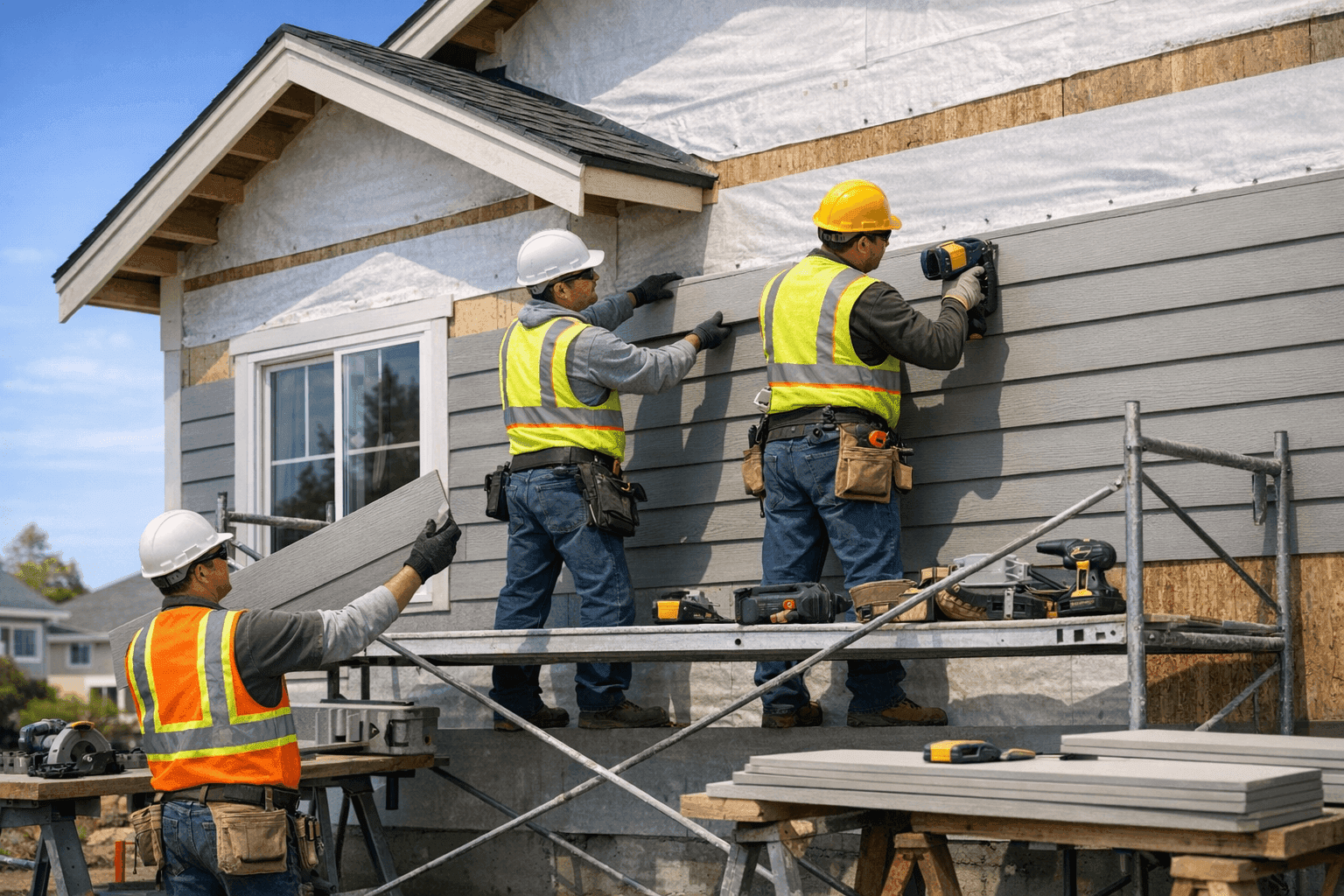
Building a new home? There’s excitement in every blueprint and every beam that goes up. But when it comes time to wrap your dreams in the right siding, the choices can feel as endless as a prairie horizon.
At Schaefer Exteriors, we’ve helped hundreds of homeowners turn construction sites into showpieces. We’re here to guide you through every step of new construction siding—clearly, confidently, and with the practical know-how that comes from years on the job site.
Siding Matters: More Than Just Curb Appeal
Siding isn’t just a home’s outfit—it’s the armor, the first impression, and the lasting shield against storms and sun. Choose well, and you’ll enjoy beauty, comfort, and peace of mind for decades.
But the right siding for a new construction home? That’s a bigger puzzle. Every decision now echoes for years.
The Landscape of Siding Options
Let’s break down the main types of siding you’ll encounter for new construction:
- Vinyl Siding: Popular for its affordability and low maintenance. Comes in a rainbow of colors and textures.
- Fiber Cement Siding: Tough as nails, flame-resistant, and can mimic wood or stucco.
- Wood Siding: Classic charm, but calls for maintenance and care.
- Stucco Siding: Bold, seamless look—especially on modern or Southwestern-style homes.
- Metal Siding: Durable, contemporary, and eco-conscious.
- Engineered Wood: Combines wood’s warmth with better resistance to rot and pests.
Each has its personality. Each fits different budgets, climates, and design dreams.
How to Choose: Balancing Durability, Design, and Cost
Think of siding as your home’s coat. You want something that fits, looks sharp, and holds up to the weather.
- Durability: Fiber cement and metal take the trophy for standing strong in storms, wind, and fire.
- Design Flexibility: Vinyl and engineered wood offer more color and texture choices than ever.
- Cost: Vinyl often leads for affordability, but fiber cement provides serious value over time.
Factor in local climate, neighborhood style, and your personal taste. If you’re unsure, a Siding Color Consultation is a wise first move.
Installation Timing: Don’t Let Siding Delay Your Build 🛠️
Siding installation isn’t just another tick on the construction checklist. It has to fit perfectly into the build timeline:
- Frame and Sheathing: The bones of your house go up.
- Moisture Barriers: Crucial step. Think of this like a raincoat under your siding.
- Siding Installation: Precision matters—measure twice, cut once.
- Trim, Soffit, and Fascia: The finishing touches.
Missteps here can mean leaks, delays, or costly do-overs. Always coordinate with your builder and siding contractor early—ideally, before drywall goes up inside.
Moisture Barriers: The Unsung Hero
Water is cunning. It finds its way in unless you plan ahead. That’s why a high-quality weather-resistive barrier (WRB) is essential. Look for products that meet or exceed International Residential Code (IRC) standards.
A well-installed barrier prevents rot, mold, and insulation damage. It’s a hidden layer, but it saves headaches and money for years to come.
The Role of Builder-Developer Coordination
Building a home is like conducting an orchestra. The siding team, framers, window installers, and finish carpenters all need to play in sync.
- Clear Communication: Regular check-ins avoid surprises.
- Accurate Plans: Double-check measurements and blueprints.
- Sequencing: One trade’s shortcut can cause another’s delay.
If you want that move-in date to stick, make sure everyone’s in the loop.
Common Siding Pitfalls (and How to Dodge Them)
No one likes a do-over. Here are the stumbles we see most:
- Skipping the Color Consultation: That “perfect” color may fade or clash with roofing. Get it right the first time.
- Ignoring Ventilation: Siding needs to breathe. Trapped moisture means trouble.
- Poor Flashing: Water finds cracks. Flashing keeps it out.
- Rushing Installation: Haste leads to gaps, warping, and future repairs.
Partner with professionals who know the rhythm and the risks.
Budgeting for New Construction Siding
Siding costs are like a set of nesting dolls. There’s the sticker price for materials, but also:
- Labor
- Insulation
- Weatherproofing
- Trim and Detailing
And don’t forget about long-term maintenance. Fiber cement and metal often cost a bit more upfront, but save on repairs and repainting.
Ask for detailed quotes that break down every part of the job. Transparency now avoids surprises later.
Siding Color: Making the Right Choice
Color isn’t just about looks. It changes the mood of your home, and even its resale value. Lighter shades reflect heat, while darker hues can fade over time.
Consider your roof color, landscaping, and the style of neighboring homes. A Siding Color Consultation can help you visualize and decide.
Code and Safety Guidelines
Every town has its own building codes—don’t skip this homework. The International Code Council (ICC) and local authorities set standards for fire resistance, wind loads, and insulation.
Using materials that meet these guidelines isn’t just smart—it’s required for permits and insurance.
When to DIY and When to Call a Pro
Some homeowners are handy. But siding installation for new construction is a big mountain. With specialized tools, safety ladders, and code compliance, it’s almost always better to bring in a professional crew.
If you’re tempted to try it yourself, start with siding cleaning or painting. Leave structural work and weatherproofing to the pros.
Siding for Every Season
In cold climates, insulation matters. In wet regions, water resistance is key. Think long-term—choose siding that stands up to your local weather.
Regular maintenance, like caulking and sealing, helps your investment last. Schedule checkups before storm season.
New Construction Siding Timeline & Disruption
A typical new construction siding project runs 1–2 weeks, depending on house size and weather. Plan for some noise, dust, and workers on-site. Your builder should keep you updated about progress and any weather delays.
Signs of Trouble: What to Watch For
Even new homes can show early warning signs:
- Soft spots or bulging
- Discoloration or streaking
- Gaps at seams or corners
Catch these issues early. Quick repair beats a big fix later.
Siding Maintenance: Protecting Your Investment 🏡
Once your new siding is up, don’t forget about care. Clean it gently each year. Inspect caulking, flashing, and paint. Early maintenance means fewer problems—and preserves your curb appeal.
Frequently Asked Questions
How do I pick the best siding for my new home?
Match your needs: climate, budget, style, and long-term care. Bring questions to your siding contractor.
Will siding installation delay my construction?
Not if it’s planned early and sequenced right with other trades.
Is insulated siding worth it?
For energy savings and comfort, yes—especially in colder regions.
Why Schaefer Exteriors for New Construction?
We’ve partnered with builders and homeowners across the region, tailoring siding solutions for every vision and budget. Our team stays up to date on code changes, best practices, and the latest materials—so you don’t have to.
If you’re searching for a reliable siding contractor who understands new construction from the ground up, we’re ready to help.
Ready to shape your dream home’s exterior?
Call Schaefer Exteriors now — or reach us anytime at 877-331-5875 .