Can You Install Siding in Cold or Rainy Weather?
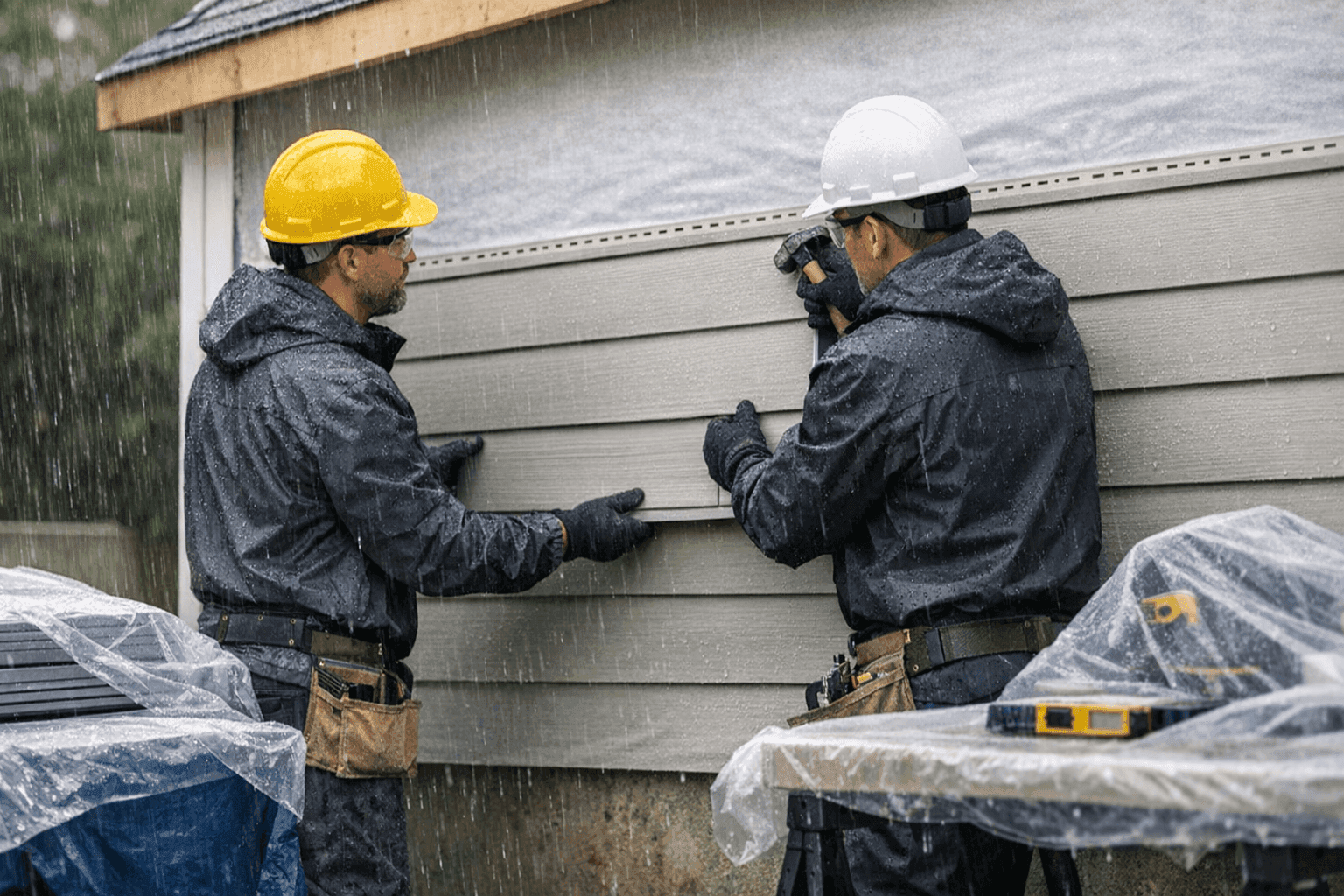
When you’re planning siding installation, weather can be a real wildcard. Homeowners often wonder: “Should I push ahead if it’s cold or rainy, or should I wait for perfect conditions?” At Schaefer Exteriors, we’ve seen it all—frosty mornings, drizzly afternoons, and everything in between.
There’s a lot riding on the right answer. Your home’s protection and your investment both depend on how and when your siding is installed. Let’s dig into what really happens when the skies aren’t blue.
The Big Question: Can Siding Be Installed in Bad Weather?
Short answer: sometimes, but not always.
Cold snaps and wet spells make siding work tricky—and sometimes risky. The materials, the tools, even the installers’ safety can all be affected. It’s not just about getting a little damp; it’s about how siding behaves when the thermometer drops or rain clouds gather.
The Science: How Weather Affects Siding
Think of siding like a well-tailored jacket. It fits best when it’s made for the right season.
- Cold weather makes vinyl and fiber cement siding contract, sometimes by fractions of an inch—enough to cause gaps or warping after installation.
- Rainy conditions can trap moisture behind panels, leading to mold down the road. Wet surfaces also make adhesives and sealants less effective.
- Wind and ice add their own complications, from unsafe ladders to slick workspaces.
Manufacturers like James Hardie and the Vinyl Siding Institute set clear temperature and moisture guidelines for siding installation. These aren’t suggestions—they’re the rules that protect your warranty.
Safety First: Quick Checklist for Weather Challenges 🦺
- Check weather forecasts—don’t guess.
- Never install over wet sheathing or framing.
- Use slip-resistant shoes and harnesses on icy or wet days.
- Store siding indoors or under tarps until use.
- Confirm all adhesives and sealants are rated for current temps.
The Occupational Safety and Health Administration (OSHA) stresses the importance of safe footing and ladder use in slick conditions. Don’t cut corners—your safety and your home’s future depend on it.
Material Matters: Vinyl and Fiber Cement in Tough Weather
Not all siding materials react the same way to the elements.
- Vinyl siding: Brittle and likely to crack in the cold; expands in heat.
- Fiber cement: Heavier and more stable, but must stay dry before and during installation.
- Wood siding: Warps or swells with moisture. Needs dry, mild conditions for best results.
If you’re unsure what’s best, a Siding Color Consultation can help match your climate, style, and maintenance needs.
Adhesives and Sealants: The Invisible Risks
Adhesives are like the glue in a jigsaw puzzle. Too cold or too wet, and they just won’t stick. Some caulks and sealants lose their grip below 40°F. Others need a dry surface for a solid bond.
When applied in poor conditions, these small failures can add up to big problems: leaks, drafts, and even full panel blow-offs during storms.
Scheduling Siding Work: How Pros Adapt
Sometimes, waiting for a sunny day is the smart choice. But when that’s not possible, professionals like Schaefer Exteriors have a few tricks:
- Flexible scheduling: We plan work during dry breaks, even if it means shorter workdays.
- Climate-savvy tools: Heated caulk guns, tented work areas, and careful material handling.
- Continuous training: Our crews stay updated on material advances and safety guidelines.
We always follow manufacturer specs and local building codes—because cutting corners in bad weather can void your warranty or leave you with costly repairs.
Timeline and Disruption: What to Expect
Weather delays happen. Even pros can’t control the clouds. But with smart planning, you can minimize disruption:
- Build in extra time for rain or freeze delays.
- Communicate with your installer about their weather policy.
- Protect landscaping or outdoor furniture from debris and mud.
The more you know, the smoother the ride.
DIY or Call a Pro? Why Experience Counts
Installing siding in perfect weather is challenging enough. In cold or wet conditions? It’s a job for a seasoned crew.
- Equipment: Pros have ladders, lifts, and safety gear that DIYers often lack.
- Technique: Professional installers adjust nailing patterns, panel spacing, and flashing details to suit the weather.
- Inspection: A thorough siding inspection before, during, and after installation ensures nothing gets missed.
For homeowners, the peace of mind is worth every penny.
Seasonal Considerations: When’s the Best Time?
Spring and fall are often ideal. Mild temperatures, lower humidity, and fewer storms mean fewer headaches.
But don’t let the calendar stop you. If your siding is failing—leaking, cracking, or missing panels—waiting can be riskier than working around the weather. In some cases, emergency siding services are the answer.
Emergency Repairs: When You Can’t Wait
Storm damage, fallen branches, or sudden leaks can’t always wait for sunshine. In those cases, pros use temporary covers, quick-setting adhesives, and fast follow-up to keep your home safe until permanent repairs are possible.
Don’t hesitate to call for help if water is getting inside or your insulation is exposed.
Common Mistakes in Bad Weather Siding Jobs
- Installing over wet sheathing or framing.
- Rushing adhesive or caulk jobs in the cold.
- Ignoring manufacturer temperature and moisture guidelines.
- Failing to stagger seams or use proper flashing.
Avoiding these mistakes could be the difference between a siding job that lasts decades and one that fails in the first storm.
Hidden Costs: What Happens If You Rush?
It’s tempting to push ahead to “just get it done.” But that can cost you more in the long run:
- Premature repairs due to leaks or cracks.
- Voided warranties from improper installation.
- Mold or rot behind panels from trapped moisture.
Always weigh the risks and ask your siding contractor how they handle weather delays.
What Pros Do on Arrival: The Weather Readiness Game Plan
When our crews arrive, they start with:
- A full weather and site assessment.
- Moisture checks on framing and sheathing.
- Reviewing manufacturer installation guidelines for current conditions.
- Setting up protective measures if rain is forecast.
That’s how we keep your project—and your warranty—on track.
Year-Round Siding Planning: Setting Realistic Expectations
If you’re dreaming of a fresh look or prepping for a new build, don’t let the season slow you down. Instead:
- Schedule a Fiber Cement Siding Installation or Vinyl Siding Installation consultation early.
- Ask about weather policies and backup plans.
- Consider color, trim, and insulation options that work best for your climate.
With good planning and a bit of patience, your siding project can succeed year-round.
FAQs: Your Siding Weather Questions Answered
How cold is too cold for siding installation?
Most vinyl and fiber cement products require temps above 40°F for best results. Always check the manufacturer’s specs.
Can you install siding in the rain?
It’s rarely recommended. Moisture can get trapped, and adhesives may fail. Some repairs can be made in light rain, but new installations should wait for dry weather.
Will my warranty be affected?
Improper installation in poor weather can void warranties. Always work with siding specialists who follow manufacturer and code guidelines.
What about Stillwater residents?
If you’re looking for a siding company with local experience, check out our siding services in Stillwater.
The Bottom Line: Weather Smart, Siding Strong
Installing siding in cold or rainy weather isn’t impossible—but it takes planning, skill, and the right equipment. Don’t let the forecast catch you off guard. With Schaefer Exteriors, your project is handled with care, no matter what the sky looks like.
Call Schaefer Exteriors now — or reach us anytime at 877-331-5875 .